
Posted At: Mar 30, 2026 - 2,468 Views

The pharmaceutical industry stands at a pivotal moment where technology adoption determines competitive advantage and operational efficiency. Among the most promising innovations gaining traction in pharmacy settings is wearable technology, specifically smart glasses designed for prescription verification workflows. These devices are reshaping how pharmacists process, verify, and dispense medications while maintaining the highest standards of accuracy and patient safety.
Understanding the Prescription Verification Challenge
Pharmacy operations face increasing pressure to process higher volumes of prescriptions while eliminating errors that could compromise patient safety. Traditional verification methods rely heavily on manual inspection, which introduces variables including fatigue, time pressure, and human error. The consequences of prescription verification mistakes range from delayed treatment to serious adverse events, making accuracy paramount in every pharmacy setting.
Smart glasses address these challenges by providing pharmacists with real-time access to prescription databases, patient histories, and drug interaction information through a heads-up display. This technology enables continuous verification without requiring pharmacists to shift their attention between physical medications and computer screens. The result is a more efficient workflow that maintains or improves accuracy rates while reducing cognitive load on pharmacy staff.
Core Technology Features for Pharmacy Applications
Modern smart glasses designed for pharmaceutical environments incorporate several critical features that make them suitable for demanding healthcare settings. High-resolution cameras capture medication labels, pill shapes, and packaging details with sufficient clarity for verification purposes. Advanced optical character recognition (OCR) software then processes this visual data, cross-referencing it against prescription databases in real-time.
Audio capabilities play an equally important role in pharmacy applications. Directional audio systems allow pharmacists to receive verification confirmations privately without disturbing patients or colleagues. Voice commands enable hands-free operation, which proves essential during busy periods when touching shared surfaces presents contamination concerns. Some models feature directional audio technology that delivers sound directly to the wearer's ear while minimizing ambient noise pickup.
Integration with Pharmacy Management Systems
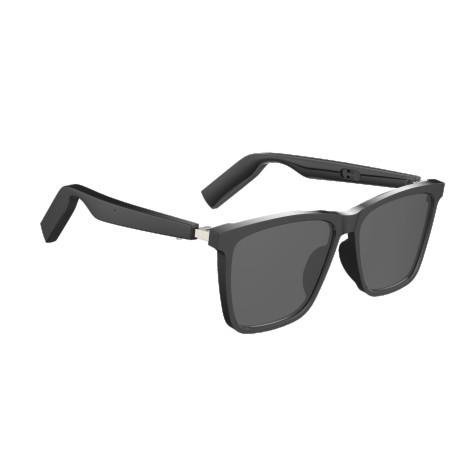
Successful implementation of smart glasses in pharmacy settings requires seamless integration with existing pharmacy management software (PMS). Leading smart glasses manufacturers offering Bluetooth audio glasses solutions understand this requirement and develop APIs that facilitate connection with major pharmacy software platforms. This integration enables automatic prescription lookup, patient allergy alerts, and drug interaction warnings that appear directly in the wearer's field of vision.
The verification process becomes a continuous loop rather than a discrete step. As pharmacists handle each medication, the smart glasses capture visual data, compare it against the expected prescription, and provide immediate feedback through audio or visual cues. Green indicators confirm matches while amber or red alerts flag discrepancies requiring immediate attention. This real-time feedback dramatically reduces the likelihood of dispensing errors reaching patients.
Enhancing Patient Safety Through Technology
Medication errors cost healthcare systems billions of dollars annually while causing preventable patient harm. Smart glasses serve as a technological safety net, catching errors that might escape human notice during high-volume processing periods. The devices maintain consistent vigilance regardless of pharmacy workload, providing the same level of scrutiny at the end of a long shift as at the beginning.
Beyond verification, smart glasses support several patient safety functions. They can display patient-specific information including allergy warnings and contraindications directly when examining prescribed medications. Pharmacists can access detailed drug information without leaving the verification station, enabling informed decisions without interrupting workflow. Some advanced systems support remote pharmacist consultation, allowing verification by off-site specialists when complex cases arise.
Workflow Efficiency Improvements
Time efficiency represents a significant driver of smart glasses adoption in pharmacy settings. Traditional verification requires pharmacists to constantly shift focus between medications, computer screens, and documentation. This visual switching creates cognitive overhead and slows processing speed. Smart glasses eliminate these transitions by presenting all necessary information within the natural field of vision.
Studies indicate that pharmacies implementing smart glasses verification systems report measurable improvements in prescription processing capacity. Pharmacists handle more prescriptions per hour while maintaining or improving accuracy rates. The technology proves particularly valuable during peak periods when time pressure peaks and error risk increases. Investment in smart glasses technology often pays for itself through increased throughput and reduced error-related costs.
Technical Specifications for Healthcare Environments
Smart glasses intended for pharmacy use must meet specific technical requirements beyond standard consumer expectations. Battery life must support full pharmacy shifts without requiring mid-day charging. Device weight and balance affect comfort during extended wear, influencing user adoption rates. Durability becomes essential given the busy, active nature of pharmacy environments where devices may experience bumps and occasional drops.
Hygiene considerations unique to healthcare settings demand attention during device selection and deployment. Removable, washable components facilitate regular sanitization. Some pharmacies implement shared device protocols where multiple pharmacists use the same glasses throughout the day, making cleanability particularly important. Optical clarity remains critical for extended reading tasks, requiring attention to display resolution, contrast, and color accuracy.
| Feature | Requirement | Benefit |
|---|---|---|
| Battery Life | 8+ hours continuous use | Full shift operation without charging |
| Camera Resolution | 12MP minimum | Clear medication label capture |
| Display | High contrast, readable outdoors | Versatile use conditions |
| Audio | Directional, clear in noise | Private verification alerts |
| Durability | IP54 rated | Resistant to daily wear |
OEM/ODM Manufacturing Opportunities
B2B buyers exploring the pharmacy smart glasses market benefit from understanding OEM and ODM manufacturing pathways. Original Equipment Manufacturing (OEM) arrangements allow brands to customize existing proven platforms with their specifications and branding. Original Design Manufacturing (ODM) partnerships enable companies to develop completely custom devices tailored to specific market requirements.
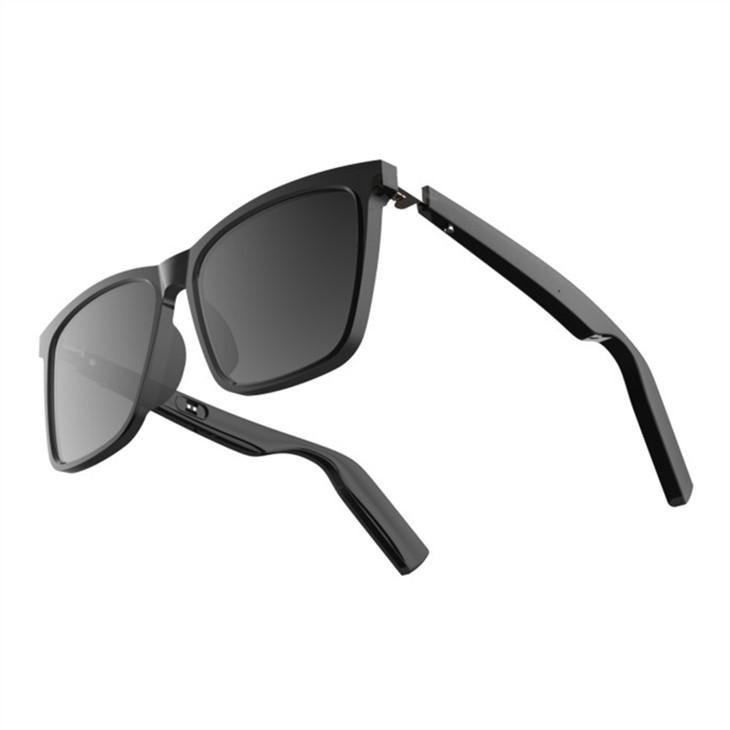
Chinese manufacturing partners with established smart glasses production capabilities offer significant advantages for market entry. These facilities possess the technical expertise, quality control systems, and scalable production capacity necessary for both startup ventures and established brands expanding their product portfolios. Fashion-forward smart glasses designs demonstrate the range of aesthetic options available through professional manufacturing partnerships.
Successful OEM/ODM relationships in the pharmacy smart glasses space require clear communication about regulatory requirements. Medical device regulations vary by market, and products intended for healthcare applications may require additional certifications. Experienced manufacturers guide buyers through compliance considerations while optimizing device specifications for target market requirements.
Market Applications Beyond Prescription Verification
While prescription verification represents the primary application discussed, smart glasses offer pharmacy operations additional functionality worth considering. Inventory management becomes more efficient when pharmacists can scan medication shelves while simultaneously updating stock systems. Training new pharmacy staff accelerates when experienced pharmacists can share their visual perspective through connected smart glasses.
Customer service applications include displaying patient wait times, preparing notifications for prescription readiness, and accessing educational materials for patient counseling. Some pharmacies utilize smart glasses for drive-through services, enabling staff to process requests while remaining mobile. These extended applications demonstrate the versatility of smart glasses investment, with value extending beyond the initial verification use case.
Implementation Considerations for Pharmacy Chains
Pharmacy chains evaluating smart glasses technology should approach implementation systematically. Pilot programs in selected locations allow organizations to assess real-world performance before committing to chain-wide deployment. User feedback during pilots informs training program development and identifies workflow adjustments that improve adoption rates.
Training investment significantly influences implementation success. Pharmacists must feel confident using the technology before they trust it for critical verification tasks. Comprehensive training covers device operation, software integration, and troubleshooting procedures. Ongoing support resources ensure questions arising during daily use receive prompt answers, preventing technology abandonment.
Regulatory Landscape and Compliance
Smart glasses used in pharmacy settings may fall under medical device regulations depending on their specific functionality and market. Products that make clinical claims, including verification accuracy rates, require appropriate regulatory clearance. Manufacturers and brands must navigate these requirements carefully to avoid compliance issues that could restrict market access.
Data privacy considerations also warrant attention. Smart glasses capture and process sensitive patient information, requiring compliance with healthcare data regulations including HIPAA in the United States and GDPR in European markets. Device selection should include assessment of data handling practices, encryption capabilities, and the manufacturer's track record with healthcare data protection.
Cost-Benefit Analysis for Pharmacy Operations
Financial justification for smart glasses investment considers both direct and indirect benefits. Direct benefits include reduced error rates, decreased liability exposure, and increased processing capacity. Indirect benefits encompass improved patient satisfaction through faster service, enhanced pharmacist job satisfaction from reduced stress, and competitive differentiation in markets where technology-forward pharmacies attract customers.
Total cost of ownership extends beyond initial device purchase to include training time, software integration, ongoing support, and eventual device replacement. Organizations should develop comprehensive cost models that capture these factors when comparing smart glasses alternatives. Some manufacturers offer flexible pricing models including leasing arrangements that reduce upfront capital requirements while maintaining access to updated technology.
Future Developments in Pharmacy Smart Glasses
The smart glasses market continues evolving rapidly, with pharmacy applications benefiting from broader technology advances. Artificial intelligence capabilities are expanding, enabling more sophisticated verification functions including pill counting through visual analysis and detection of physical medication anomalies. Augmented reality overlays provide increasingly detailed information without overwhelming users with data.
Battery technology improvements will enable longer operation between charges while reducing device weight. Display technology continues advancing toward truly unobtrusive designs that feel natural during extended wear. These developments suggest that early adopters of smart glasses technology position themselves advantageously as the technology matures and capabilities expand.
Selecting the Right Manufacturing Partner
B2B buyers seeking smart glasses for pharmacy applications should evaluate manufacturing partners on multiple dimensions. Technical capability determines whether manufacturers can deliver devices meeting healthcare-specific requirements. Quality management systems certifications indicate commitment to consistent production standards. Support infrastructure ensures buyers receive assistance throughout product development and market launch.
Experience in the smart glasses market, specifically with healthcare or pharmacy applications, provides valuable perspective that benefits product development. Manufacturers familiar with pharmacy workflows can suggest features and configurations that address real operational needs rather than theoretical requirements. Requesting sample devices for evaluation allows practical assessment before committing to production arrangements.
Ready to explore smart glasses manufacturing opportunities for pharmacy applications? Our team at Smart Glasses Factory specializes in OEM/ODM partnerships, helping B2B buyers transform their vision into market-ready products. Contact our manufacturing specialists today to discuss your requirements and discover how we can support your entry into the pharmacy technology market.
