
Posted At: Jun 18, 2026 - 1,779 Views

The smart glasses industry has experienced a remarkable transformation since Meta introduced its first generation of intelligent eyewear. What began as a niche technology experiment has evolved into a multi-billion dollar market segment that continues to expand at an impressive rate. For B2B buyers, distributors, and brands looking to enter this space, the Meta Smart Glasses clone market represents a strategic opportunity that combines proven technology with accessible manufacturing pathways.
Understanding the Meta Smart Glasses Clone Landscape
Meta Smart Glasses clones refer to products that replicate the core functionality and design philosophy of the original Meta Ray-Ban smart glasses while offering customization opportunities for brands and private label arrangements. These clones typically incorporate features such as built-in cameras for first-person photography and video, directional audio systems for hands-free calls and music playback, and integration with voice assistants for enhanced functionality.
The market for these products has flourished because the original Meta Smart Glasses demonstrated clear consumer demand for wearable technology that seamlessly integrates into daily life. However, the premium pricing of authentic Meta products has created space for alternative offerings that deliver similar capabilities at different price points. This dynamic has opened doors for smart glasses factories in China to establish themselves as viable manufacturing partners for global brands.
Factory-produced clones maintain high standards of quality while offering flexibility in specifications, branding, and packaging. This approach allows businesses to differentiate their offerings without investing in proprietary research and development from scratch.
The Rise of AI-Powered Smart Eyewear
Artificial intelligence has become the defining feature of next-generation smart glasses. Modern AI smart glasses extend beyond simple audio playback and camera functionality to include real-time language translation, object recognition, navigation assistance, and contextual information display. These capabilities have transformed smart glasses from novelty items into practical tools for professionals, athletes, and everyday consumers.
Manufacturers in China have rapidly adapted to this trend, integrating advanced AI chipsets and machine learning algorithms into their production lines. The result is a new generation of smart glasses that rivals premium brands in terms of functionality while maintaining competitive manufacturing costs.
For businesses looking to source AI smart glasses, understanding the technical specifications becomes crucial. Processors, sensor arrays, battery life, and connectivity options all impact the final product quality and user experience. Partnering with an experienced factory ensures access to properly calibrated AI features that function reliably across different environments and use cases.
OEM and ODM Manufacturing Models Explained
Original Equipment Manufacturing (OEM) and Original Design Manufacturing (ODM) represent two primary pathways for businesses entering the smart glasses market. Each model offers distinct advantages depending on your business requirements, branding strategy, and technical capabilities.
OEM Manufacturing
OEM arrangements involve factories producing smart glasses based on specifications provided by the buyer. This model works well for established brands with existing product designs that need manufacturing capacity without design work. OEM partnerships allow complete control over technical specifications, materials selection, and quality standards while leveraging factory production capabilities.
ODM Manufacturing
ODM partnerships provide a more comprehensive solution where factories contribute design expertise and manufacturing capabilities. For businesses without in-house engineering teams, ODM arrangements offer faster time-to-market by utilizing existing product platforms that can be customized with brand elements, color variations, and software modifications.
Smart glasses factories offering ODM services typically maintain portfolios of reference designs that buyers can select and modify. This approach reduces development costs and accelerates the path from concept to commercial product.
Key Features in Modern Smart Glasses Clones
Quality Meta Smart Glasses clones incorporate several essential features that define the user experience. Understanding these features helps buyers make informed decisions when evaluating factory partnerships and product specifications.
Camera Systems: High-resolution cameras enable first-person photography and video recording. Modern implementations feature ultra-wide lenses, image stabilization, and optimized low-light performance. Storage capacity and video quality settings provide flexibility for different use cases.
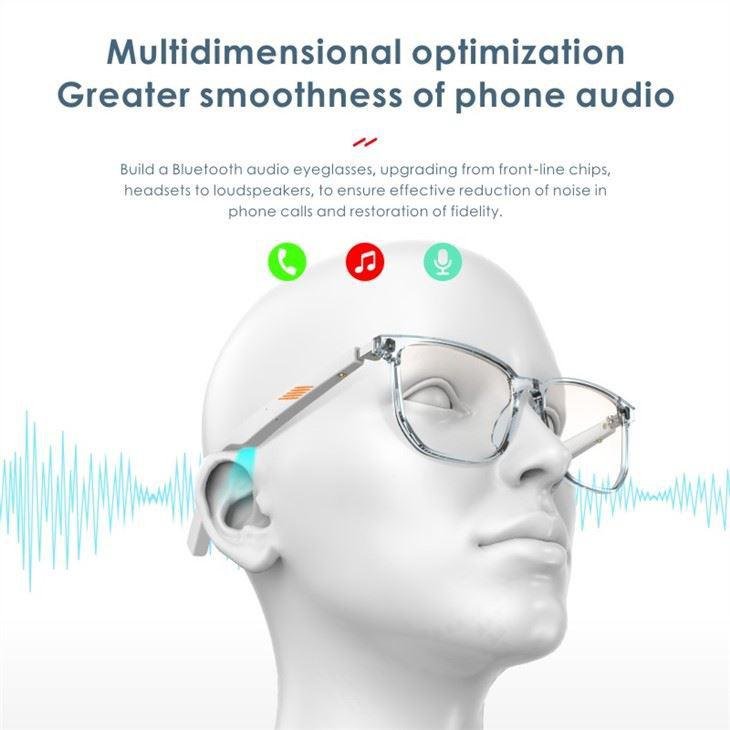
Audio Technology: Open-ear audio systems deliver sound directly to the user without blocking environmental awareness. Directional speakers minimize sound leakage while maintaining audio clarity for calls and music. Advanced models incorporate noise reduction algorithms for improved call quality.
Connectivity: Bluetooth connectivity ensures seamless pairing with smartphones and other devices. Wi-Fi capabilities enable direct streaming and cloud integration. The latest models support the latest Bluetooth standards for improved power efficiency and range.
Battery Performance: All-day battery life has become a standard expectation. Factory innovations in power management allow extended use between charges, with rapid charging capabilities reducing downtime.
Production Capabilities of Leading Smart Glasses Factories
China-based smart glasses factories have invested heavily in production infrastructure to meet growing global demand. Modern facilities combine automated assembly lines with skilled technicians to ensure consistent quality across large production volumes.
Production capabilities typically include injection molding for frame components, precision assembly of electronic modules, optical calibration for display systems, and comprehensive quality testing protocols. Many factories maintain in-house capabilities for PCB manufacturing, sensor integration, and software development, enabling end-to-end production control.
For businesses evaluating factory partnerships, production capacity represents a critical consideration. Established factories can accommodate minimum order quantities starting from a few hundred units while also supporting large-scale production runs for major distribution contracts. Lead times vary based on customization requirements and order volume, with standard products typically ready within 4-8 weeks.
Quality assurance processes include automated optical inspection, audio testing, waterproofing verification, and functionality validation. These measures ensure that every unit leaving the factory meets consistent standards regardless of production volume.
Customization Opportunities for Brands
Brand differentiation in the smart glasses market requires thoughtful customization beyond simple logo placement. Leading factories offer extensive customization options that allow businesses to create distinctive products aligned with their brand identity and target market positioning.
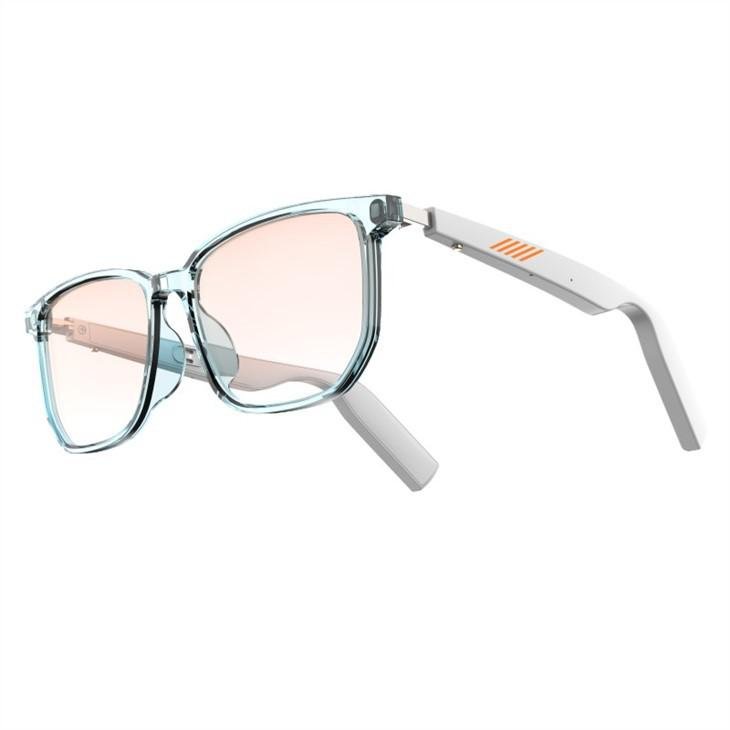
Frame customization encompasses material selection including TR-90 nylon, titanium, aluminum, and acetate options. Each material offers distinct characteristics in terms of weight, durability, and aesthetic appeal. Color matching services ensure consistency with existing product lines and brand guidelines.
Functional customization addresses specific feature requirements such as camera resolution, audio quality levels, AI capability depth, and connectivity options. Software customization allows branded applications, custom voice prompts, and proprietary features that enhance product differentiation.
Packaging and accessory customization extends the brand experience from unboxing through daily use. Custom cases, cleaning cloths, charging cables, and documentation materials reinforce brand presence throughout the product lifecycle.
Target Markets and Use Cases
Smart glasses appeal to diverse market segments, each with distinct priorities and usage patterns. Understanding these segments helps businesses configure products that resonate with specific customer groups.
Sports and Outdoor Enthusiasts: This segment prioritizes durability, secure fit, and integration with fitness tracking applications. Water resistance and UV protection represent essential features for outdoor activities. Cyclists and runners particularly value hands-free communication and audio guidance without compromising environmental awareness.
Professional Users: Business professionals seek smart glasses that enhance productivity through seamless communication and documentation capabilities. Discreet design that maintains a professional appearance matters significantly for this segment. Integration with enterprise software platforms and meeting transcription features add practical value.
Content Creators: Vloggers and social media influencers appreciate first-person camera capabilities that simplify content capture. Wide-angle lenses, high-quality audio, and easy content transfer support creative workflows. Extended recording time and intuitive controls enhance the user experience.
General Consumers: Mainstream buyers seek balanced functionality in an accessible price range. Everyday use cases include navigation assistance, music enjoyment, and hands-free calling during commutes and daily activities.
Quality Indicators and Verification Processes
Evaluating smart glasses quality requires attention to multiple dimensions that collectively determine product reliability and user satisfaction. Professional factories implement systematic verification processes that address each quality dimension.
Build quality assessment examines frame integrity, hinge durability, and component alignment. Premium factories conduct cycle testing on hinges and stress testing on frames to ensure longevity under real-world conditions. Electronic components undergo thermal cycling and vibration testing to verify reliability.
Audio quality verification involves frequency response measurement, distortion analysis, and leak testing. Directional audio systems require precise calibration to achieve optimal sound delivery while minimizing environmental disturbance.
Camera performance testing covers resolution verification, color accuracy, autofocus speed, and low-light capability. Image stabilization effectiveness requires dedicated testing across different movement scenarios.
Connectivity testing ensures reliable Bluetooth pairing, stable Wi-Fi connections, and proper device compatibility. Interoperability testing across smartphone models and operating systems prevents customer-facing issues.
Cost Structure and Pricing Considerations
Understanding the cost structure of smart glasses production helps businesses set competitive pricing strategies and evaluate factory quotations appropriately. Several factors contribute to the total manufacturing cost.
Component costs represent the largest portion of production expense, with displays, cameras, processors, and batteries commanding significant budgets. Higher specifications in these areas directly impact unit costs. Sourcing strategies and volume commitments influence component pricing from suppliers.
Assembly complexity affects labor costs and production efficiency. Products with tighter tolerances or more sophisticated features require additional assembly time and specialized equipment. Automated assembly processes reduce per-unit labor costs for high-volume orders.
Quality control expenses include testing equipment, personnel, and sample destruction during verification processes. Comprehensive quality assurance adds cost but prevents expensive returns and reputation damage.
Certification and compliance costs cover regulatory approvals required for target markets. CE marking, FCC certification, and regional compliance testing represent necessary investments for international distribution.
Supply Chain Resilience and Lead Time Management
Establishing reliable supply chains has become increasingly important in the smart glasses industry. Component shortages and logistics disruptions that affected multiple industries in recent years highlighted the importance of supply chain diversification and contingency planning.
Experienced factories maintain relationships with multiple component suppliers to reduce dependency on single sources. This approach provides flexibility when supply chain disruptions occur. Strategic inventory management of critical components enables response to sudden demand changes without extended delays.
Lead time management requires clear communication between buyers and factories regarding order timelines, production schedules, and shipping logistics. Professional factories provide realistic lead time estimates based on current order volumes and component availability. Rush orders typically incur premium pricing but can accelerate timelines for time-sensitive launches.
Building Long-Term Factory Partnerships
Successful smart glasses businesses develop long-term relationships with manufacturing partners rather than treating factories as transactional vendors. Strategic partnerships unlock benefits that transactional arrangements cannot provide.
Long-term partners receive priority allocation during component shortages and production bottlenecks. Factories invest in tooling and process improvements that benefit consistent customers. Volume-based pricing improvements reward sustained business relationships.
Collaborative product development becomes possible when factories understand your product roadmap and market strategy. Early visibility into new technologies and features enables competitive advantage through faster market introduction. Joint problem-solving during development challenges produces better outcomes than arm's-length vendor relationships.
Communication efficiency improves with established relationships, reducing friction in day-to-day operations. Dedicated account management, streamlined approval processes, and faster response times result from mutual commitment to the partnership.
Market Trends Shaping Smart Glasses Development
Several emerging trends will shape the next generation of smart glasses and influence manufacturing strategies. Forward-thinking businesses monitor these trends to anticipate market evolution and adjust their product portfolios accordingly.
Display technology advancement continues to make augmented reality features more practical in everyday form factors. Waveguide improvements and microLED developments enable brighter, more efficient display systems suitable for mainstream products.
AI integration depth increases with each product generation, adding capabilities that expand use cases beyond simple audio and camera functions. Real-time translation, visual search, and contextual information overlay represent features gaining consumer traction.
Sustainability concerns influence material selection and manufacturing processes. Recycled materials, modular designs enabling repair, and energy-efficient production appeal to environmentally conscious consumers and regulatory requirements.
Getting Started with Your Smart Glasses Sourcing Strategy
Initiating a smart glasses sourcing program requires systematic evaluation of potential factory partners. The following approach provides a framework for identifying suitable manufacturing partners and establishing productive relationships.
Begin by defining clear product requirements including target specifications, quality standards, order volumes, and pricing parameters. Document these requirements before engaging factories to ensure consistent evaluation across candidates.
Request sample products from potential partners to evaluate quality firsthand. Physical examination of samples reveals construction quality, material selection, and attention to detail that specifications alone cannot capture. Testing samples under real-world conditions provides insight into actual user experience.
Factory audits assess manufacturing capabilities, quality systems, and compliance practices. On-site visits verify production capacity, equipment condition, and workforce competence. Third-party inspection services provide objective assessment when direct visits are not feasible.
Pilot production runs validate production processes at target volumes before committing to full-scale orders. Small initial orders allow learning and adjustment while minimizing risk exposure.
The opportunity in the Meta Smart Glasses clone market continues to expand as consumer awareness grows and technology becomes more accessible. B2B buyers who establish strong manufacturing partnerships now will be positioned to capture market share as demand accelerates.
Ready to explore smart glasses manufacturing opportunities with an experienced partner? Our team provides comprehensive OEM/ODM services for brands, distributors, and businesses entering the smart glasses market. Contact us to discuss your product requirements and discover how we can support your market entry strategy.
