
Posted At: Aug 06, 2026 - 1,404 Views

The way we explore the world is fundamentally changing. Imagine walking through the streets of Tokyo, negotiating prices at a Bangkok market, or asking for directions in Paris—all without speaking a single word of the local language. Translation smart glasses are making this reality possible, and for B2B buyers, distributors, and brands in the smart wearables space, this technology represents one of the most compelling opportunities in the travel tech industry today.
As international travel continues to rebound and expand, the demand for seamless cross-language communication has never been higher. Travelers no longer want to rely solely on smartphone apps or phrasebooks. They want real-time, hands-free translation that feels natural and unobtrusive. Smart glasses equipped with translation capabilities deliver exactly that—a frictionless experience that transforms how people connect across cultural and linguistic boundaries.
Understanding Translation Smart Glasses Technology
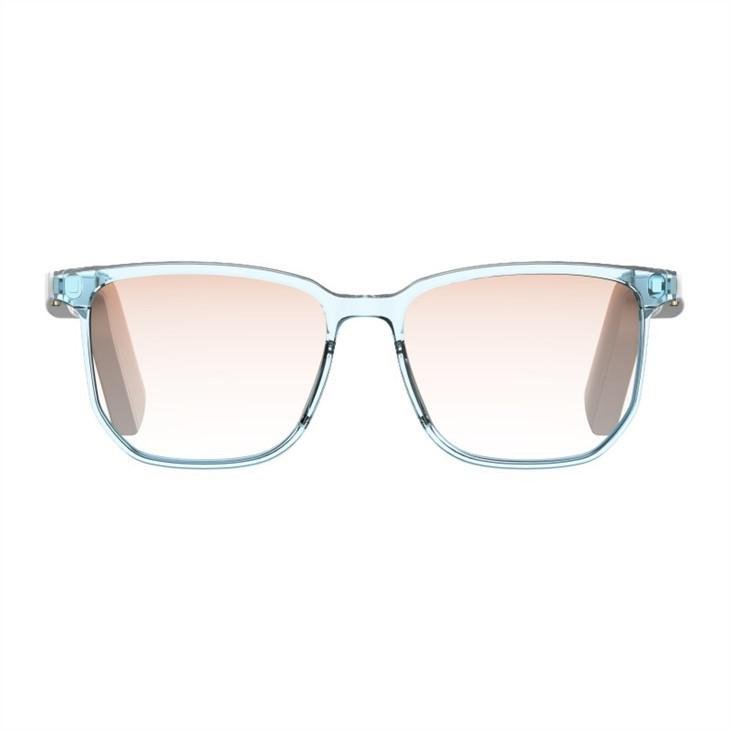
At the core of translation smart glasses lies a sophisticated combination of hardware and software technologies working in harmony. These devices typically incorporate directional microphones, bone-conduction or open-ear speakers, optical displays for subtitles, and powerful processors capable of running real-time speech recognition and machine translation algorithms.
The translation process itself involves several stages. First, the glasses capture audio through beamforming microphone arrays that isolate the speaker's voice while filtering out background noise. This audio is then processed through automatic speech recognition (ASR) systems that convert spoken words into text. Machine translation engines then transform this text into the target language, and finally, the translated text appears on the glasses' display or is played back through speakers in the target voice.
Modern translation smart glasses support dozens of languages and can operate in both online and offline modes. Some advanced models leverage edge computing to reduce latency, while others combine multiple translation engines to improve accuracy for specialized vocabulary. The best devices on the market achieve translation accuracy rates exceeding 95% for common phrases in supported languages, making them genuinely practical for real-world travel scenarios.
The Travel Industry's Growing appetite for Translation Technology
The global travel industry has always been a pioneer in adopting communication technologies. From early audio guides to smartphone translation apps, travelers have consistently embraced tools that help them navigate foreign environments more easily. Translation smart glasses represent the next evolution in this journey, offering advantages that previous technologies simply could not match.
Consider the practical limitations of smartphone translation apps. Using them requires holding your phone, unlocking it, opening the app, and positioning it between both parties in a conversation. This creates awkwardness and can even appear rude in certain cultural contexts. Translation smart glasses eliminate these social barriers entirely. The conversation flows naturally because both parties can maintain eye contact and engage as they would with a shared language.
Market research indicates that the translation device market is experiencing rapid growth, with smart glasses emerging as the fastest-growing segment. Major travel companies, tour operators, and hospitality brands are beginning to integrate these devices into their service offerings. Some luxury hotels now offer translation smart glasses to international guests, while tour companies provide them as premium add-ons for guided experiences in foreign countries.
The business-to-business opportunity here is substantial. As a distributor or brand, positioning translation smart glasses in your product portfolio allows you to serve an expanding market of travelers who value authentic, meaningful connections over superficial exchanges. These devices also open doors to vertical markets beyond leisure travel, including international business conferences, diplomatic visits, medical tourism, and cross-border logistics operations.
Key Features B2B Buyers Should Evaluate
When evaluating translation smart glasses for OEM/ODM manufacturing partnerships, several technical and commercial factors deserve careful attention. Understanding these dimensions will help you select manufacturing partners capable of delivering products that meet market demands and regulatory requirements.
Translation Accuracy and Language Support
Translation quality varies significantly between manufacturers and technology providers. Some devices excel at casual conversation but struggle with technical terminology or regional accents. The most capable solutions integrate multiple translation engines and employ contextual AI to improve accuracy across diverse speaking styles. Evaluate how many languages the device supports and whether offline translation is available—a critical feature when traveling in areas with limited connectivity.
Audio Performance
Clear audio capture and playback are essential for effective translation. Look for glasses with advanced noise-canceling microphones capable of isolating voices in crowded environments like airports, train stations, or busy streets. Speaker quality matters equally; bone-conduction speakers offer privacy by directing sound to the wearer alone, while open-ear designs allow both parties to hear translations simultaneously.
Display and Visual Integration
Some translation smart glasses rely exclusively on audio output, while others include microdisplays that show translated text directly in the wearer's field of vision. The latter approach offers advantages in noisy environments where audio might be difficult to hear clearly. Evaluate display resolution, brightness, and whether the text is readable in various lighting conditions.
Battery Life and Charging
Travel scenarios demand reliable battery performance. Most translation smart glasses provide between four and eight hours of continuous use on a single charge. Consider whether the device supports fast charging or can operate while charging via portable power banks. These practical considerations significantly impact user satisfaction in real-world travel situations.
Comfort and Wearability
For travel applications, smart glasses must be comfortable enough for all-day wear. Evaluate frame weight, weight distribution, nose pad design, and temple pressure. Lighter materials like titanium and high-quality plastics improve comfort, while modular designs allow users to swap between prescription lenses and standard sunglass lenses. Fashion-conscious travelers particularly appreciate designs that look stylish rather than obviously technological.
Manufacturing Considerations for OEM/ODM Partnerships
Partnering with the right OEM/ODM manufacturer can make or break your translation smart glasses venture. China remains the global hub for consumer electronics manufacturing, and numerous facilities there have developed specialized expertise in smart glasses production. However, quality and capabilities vary dramatically between manufacturers.
The most capable smart glasses manufacturers offer end-to-end services covering industrial design, hardware engineering, firmware development, software integration, and production. Look for partners with proven experience in optical systems, as displays and lenses require specialized knowledge. Equally important is firmware stability—translation devices must operate reliably without frequent updates or troubleshooting.
Supply chain relationships matter significantly in this space. Translation smart glasses require components from multiple specialized suppliers, including display manufacturers, audio chip makers, and wireless module providers. Established manufacturers leverage existing supplier relationships to secure quality components at competitive prices, while newer entrants may struggle with component availability and consistency.
Quality control processes deserve thorough evaluation. Inquire about testing protocols, failure rate tracking, and certifications. Leading manufacturers implement rigorous quality management systems and can provide documentation for CE, FCC, and other regional certifications required for international distribution. Product liability insurance and warranty support policies also indicate a manufacturer's confidence in their production standards.
Customization Options for Brand Differentiation
In a competitive market, brand differentiation drives success. OEM/ODM partnerships offer numerous customization opportunities that allow you to create unique product identities while leveraging existing technological foundations.
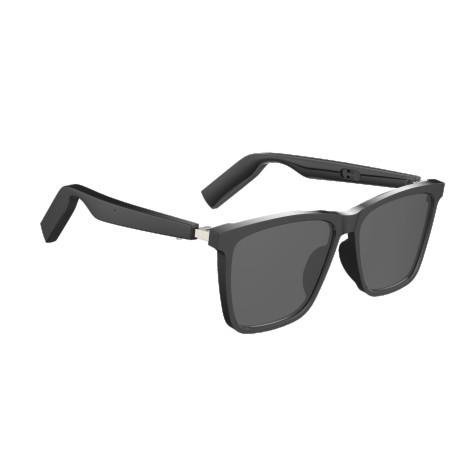
Hardware customization extends to virtually every aspect of the device. Frame styles range from classic aviator designs to contemporary geometric shapes, with options for premium materials like titanium, carbon fiber, or acetate. Lens technologies include polarized sun lenses, photochromic adaptive lenses, and blue-light filtering options. Color matching to brand palettes ensures visual consistency across your product line.
Software customization provides additional differentiation opportunities. Translation engine selection, user interface design, companion app development, and branding integration all contribute to a unique user experience. Some manufacturers offer white-label solutions with pre-installed translation apps, while others provide open platforms allowing extensive customization.
Packaging and accessory design complete the brand experience. Premium travel cases, cleaning cloths, charging solutions, and documentation materials can all be customized to reinforce brand identity. These touches matter significantly in the travel accessories market, where presentation influences perceived value and purchase decisions.
Market Applications Beyond Individual Travel
While consumer travel represents the most obvious application for translation smart glasses, the technology serves numerous other markets worth exploring. Understanding these adjacent opportunities helps B2B buyers develop comprehensive product strategies.
Medical tourism facilities increasingly adopt translation technology to improve patient communication. Healthcare providers treating international patients face significant language challenges that can impact care quality. Translation smart glasses enable real-time conversations between doctors and patients, reducing misunderstandings and improving overall care outcomes.
International business events, from trade shows to corporate conferences, generate substantial demand for translation solutions. Organizers can provide translation smart glasses to attendees, enabling participation in sessions conducted in foreign languages. This application extends to diplomatic visits, international legal proceedings, and cross-border government services.
Education technology represents another emerging market. Language learning applications become more effective when students can practice with native speakers in real-time conversations. Translation smart glasses provide a scaffolded experience that builds confidence while supporting genuine communication practice.
Future Trends in Translation Smart Glasses
The translation smart glasses market continues evolving rapidly, with several technological trends poised to reshape the landscape in coming years. Forward-thinking B2B buyers should monitor these developments when planning product roadmaps and selecting manufacturing partners.
Artificial intelligence advancement will drive significant improvements in translation quality and contextual understanding. Large language models are already enabling more natural, nuanced translations that capture tone, formality, and cultural subtleties previously lost in mechanical conversions. Future devices will likely offer personalized translation styles that adapt to individual users' preferences and communication patterns.
Augmented reality integration will expand beyond simple text displays. Imagine translation smart glasses that overlay translated text directly onto physical objects—signage, menus, product labels—creating an immersive multilingual experience. Spatial computing capabilities will enable contextual information displays based on what the wearer is looking at.
Miniaturization and improved battery technology will enable sleeker, lighter designs without sacrificing functionality. As components shrink and efficiency improves, translation smart glasses will increasingly resemble conventional eyewear, removing aesthetic barriers that currently limit adoption among fashion-conscious consumers.
Making the Right Manufacturing Partnership
Success in the translation smart glasses market depends heavily on choosing the right manufacturing partner. The ideal OEM/ODM relationship combines technical expertise, production capacity, quality assurance, and collaborative responsiveness.
Begin by evaluating potential partners' technical capabilities in areas critical to translation smart glasses: audio engineering, optical systems, wireless connectivity, and embedded software development. Request samples and conduct thorough testing across different use cases and environments. Pay attention to details like microphone sensitivity, speaker clarity, and translation responsiveness.
Production capacity and scalability matter for long-term success. A partner capable of producing your initial order may struggle to scale as demand grows. Discuss manufacturing roadmaps, capacity expansion timelines, and component sourcing strategies. Partners with established supply chain relationships can respond more effectively to demand fluctuations and component shortages.
Communication and project management capabilities often determine partnership success. Look for partners who provide dedicated points of contact, transparent progress reporting, and proactive issue resolution. Cultural alignment and language capabilities facilitate smooth collaboration, particularly during complex development phases.
Getting Started with Your Translation Smart Glasses Program
The opportunity in translation smart glasses is substantial, but success requires strategic planning and execution. Start by defining your target market segments and use cases. Different applications have distinct requirements for features, pricing, and distribution channels.
Develop detailed specifications that balance functionality, cost, and manufacturability. Engage potential manufacturing partners early in the specification process—their input can significantly improve product viability and production efficiency. Request prototypes and conduct user testing to validate assumptions before committing to full production.
Plan your go-to-market strategy carefully. Translation smart glasses may serve as standalone products or complement existing eyewear and travel accessories lines. Consider distribution partnerships, retail placement, and digital marketing strategies. B2B relationships with travel companies, tour operators, and hospitality brands can generate substantial volume orders.
The time to act is now. Translation smart glasses are transitioning from early-adopter novelty to mainstream travel essential. Brands that establish market presence during this growth phase will benefit from brand recognition, customer relationships, and operational expertise that late entrants will struggle to replicate.
Ready to explore translation smart glasses manufacturing opportunities? Our team at Smart Glasses Factory specializes in OEM/ODM production of advanced smart eyewear for global brands. We offer comprehensive services from concept development through mass production, with extensive experience in translation-enabled devices. Explore our current product lineup and contact our business development team to discuss your specific requirements. Let us help you bring your translation smart glasses vision to market with quality, efficiency, and competitive pricing.
