
Posted At: Sep 17, 2026 - 21 Views

When sourcing HD stereo music glasses or advanced smart eyewear from Chinese manufacturers, B2B buyers face a fundamental challenge: how do you verify quality when you're thousands of miles away? Third-party inspection services from industry leaders like SGS and Bureau Veritas have emerged as the gold standard for quality assurance in the smart glasses manufacturing sector. These independent verification processes protect your investment, ensure product consistency, and build the kind of supplier relationships that drive long-term business growth.
Why Third-Party Inspection Matters in Smart Glasses Manufacturing
The smart glasses industry presents unique quality control challenges that differ substantially from conventional eyewear. These devices combine precision optics with sophisticated electronics, wireless connectivity components, battery systems, and audio technology—all housed within frames that must be both fashionable and functional. A defect in any single component can compromise the entire product, leading to customer returns, brand damage, and significant financial losses.
Third-party inspection provides an objective, unbiased assessment of your smart glasses order before shipment. Unlike internal quality checks performed by the manufacturer, independent inspectors have no financial incentive to overlook defects or pressure to meet production deadlines at the expense of quality. Their sole focus is verifying that your products meet the specifications, standards, and performance criteria you've established.
For B2B buyers and distributors establishing long-term relationships with smart glasses OEM manufacturers, third-party inspection reports serve as documented evidence of product quality. This documentation proves invaluable during quality disputes, regulatory compliance audits, and when evaluating supplier performance over multiple orders.
SGS Inspection Services for Smart Glasses
SGS Group stands as the world's largest inspection, verification, and testing company, with a presence in over 2,600 locations across 100 countries. Their expertise in consumer electronics and wearable technology makes them particularly well-suited for inspecting smart glasses and wireless audio eyewear products.
SGS inspection protocols for smart glasses typically encompass several critical evaluation categories:
- Visual and Workmanship Inspection – Examiners assess frame finish quality, alignment of components, absence of visible defects, and overall cosmetic appearance against approved reference samples.
- Functional Testing – Bluetooth connectivity range, audio quality reproduction, touch control responsiveness, and voice call clarity are evaluated using standardized test procedures.
- Electronic Safety Verification – Battery charging performance, overcharge protection, short-circuit prevention, and compliance with international safety standards including CE, FCC, and RoHS requirements.
- Optical Performance Assessment – For smart glasses incorporating lenses, inspectors verify UV protection ratings, polarization efficiency, and optical clarity measurements.
- Packaging and Labeling Review – Verification that packaging materials protect products during transit and that all required labels, instructional materials, and compliance markings are present and accurate.
The comprehensive nature of SGS inspections means that every aspect of your smart glasses order undergoes rigorous scrutiny. Their inspectors are trained specifically in consumer electronics and wearable technology, understanding the nuanced quality requirements that apply to products like voice call smart glasses where audio performance and wireless reliability are paramount.
Bureau Veritas Smart Glasses Inspection Framework
Bureau Veritas represents another globally recognized leader in quality assurance services, offering inspection solutions that complement and sometimes overlap with SGS capabilities. With 200 years of industry experience, Bureau Veritas has developed inspection methodologies specifically tailored to the complexities of electronic wearable devices.
Bureau Veritas inspection services for smart glasses emphasize several distinctive areas:
Pre-Production Inspection (IPI)
Before manufacturing begins, Bureau Veritas can verify that raw materials, components, and production preparations align with your specifications. This early intervention identifies potential issues while correction remains inexpensive, preventing problems from escalating during mass production.
During Production Inspection (DPI)
Random sampling throughout the production process allows inspectors to identify quality trends in real-time. If defect rates begin climbing or specific components show consistent problems, manufacturers can implement corrective actions immediately rather than discovering issues during final inspection.
Pre-Shipment Inspection (PSI)
The most commonly requested inspection service, PSI involves comprehensive evaluation of finished products against your purchase order specifications. Inspectors randomly sample from the completed lot, applying internationally recognized sampling standards like ANSI/ASQ Z1.4 to determine whether the entire shipment meets acceptable quality levels.
Container Loading Supervision
Ensuring proper loading procedures protects products during international transit. Bureau Veritas supervisors verify that containers are loaded correctly, products are adequately secured, and shipping documentation matches actual cargo.
Key Quality Control Points for Smart Glasses
Understanding what professional inspectors evaluate helps B2B buyers appreciate the value these services provide. Smart glasses undergo more rigorous testing than conventional eyewear due to their electronic components and wireless functionality.
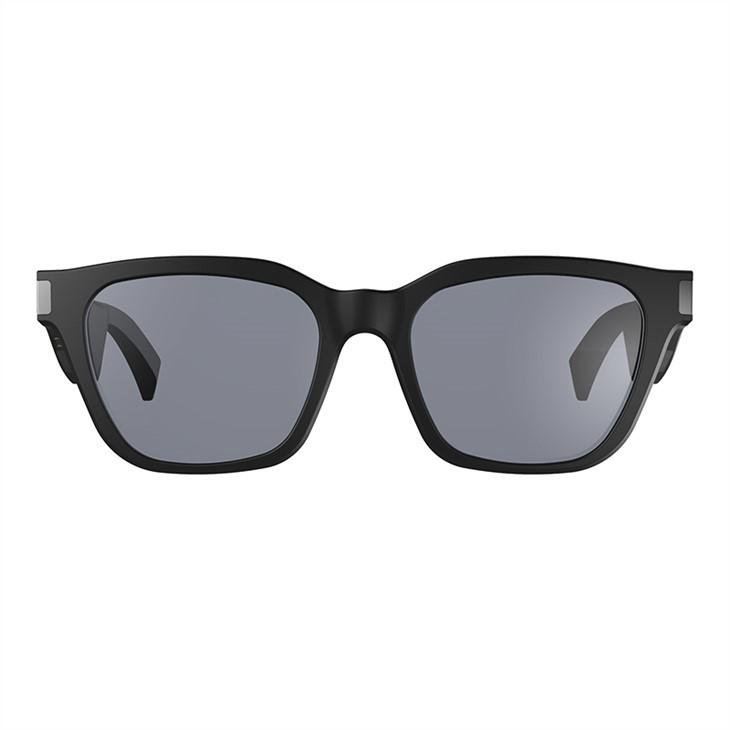
Audio System Quality
Smart glasses featuring integrated speakers require evaluation of bass response, treble clarity, maximum volume levels without distortion, and stereo channel balance. Inspectors use calibrated audio equipment to measure frequency response curves and verify that open-ear audio delivery meets specified performance parameters. For products like Bluetooth glasses with stereo music capability, audio quality often represents a primary value proposition that directly impacts customer satisfaction.
Wireless Connectivity Performance
Bluetooth range, pairing reliability, connection stability, and compatibility across different source devices require systematic testing. Inspectors evaluate whether smart glasses maintain stable connections at specified distances and perform correctly with various smartphones, tablets, and computers.
Battery Life and Charging
Playback time, standby duration, and charging cycle performance are measured against manufacturer specifications. Inspectors verify that batteries deliver promised capacity and that charging indicators, protection circuits, and power management systems function correctly.
Frame Durability
Mechanical stress testing evaluates hinge durability, frame flexibility, and structural integrity under normal use conditions. Inspectors simulate typical wear patterns to identify potential failure points before products reach end users.
Lens Performance
For smart sunglasses and glasses with specialized lenses, inspectors verify UV protection ratings, polarization efficiency, scratch resistance, and optical clarity. Products like polarized sunglasses for fishing must meet specific performance standards for water sports and outdoor applications.
Building a Quality Assurance Partnership
For B2B buyers seeking reliable smart glasses manufacturing partners in China, third-party inspection services represent just one component of a comprehensive quality assurance strategy. The most successful buyer-manufacturer relationships establish quality expectations upfront, maintain open communication throughout production, and utilize independent inspection as verification rather than discovery.
When evaluating potential smart glasses OEM partners, consider their experience working with international inspection agencies. Manufacturers accustomed to SGS and Bureau Veritas inspections typically have quality management systems already aligned with international standards, making the inspection process smoother and more efficient.
The table below outlines typical inspection criteria weightings for smart glasses orders:
| Inspection Category | Typical Weight | Acceptable Defect Level |
|---|---|---|
| Audio Performance | 25% | AQL 1.0 (Critical), AQL 2.5 (Major) |
| Wireless Functionality | 20% | AQL 0.65 (Critical), AQL 1.5 (Major) |
| Workmanship | 20% | AQL 1.0 (Major), AQL 2.5 (Minor) |
| Battery/Charging | 15% | AQL 0.65 (Critical), AQL 1.0 (Major) |
| Lens/Optics | 10% | AQL 1.0 (Major), AQL 2.5 (Minor) |
| Packaging/Labeling | 10% | AQL 1.5 (Major), AQL 4.0 (Minor) |
Cost-Benefit Analysis for B2B Buyers
Third-party inspection services represent a modest investment relative to the total value of your smart glasses order, yet they provide substantial risk mitigation. Inspection fees typically range from $200-$400 per inspection day depending on complexity and location, a fraction of the cost associated with receiving defective merchandise, managing returns, or worse—shipping problematic products to your customers.
Consider the alternative: discovering quality issues after products arrive at your distribution center means dealing with sorting, returns processing, replacement production runs, and potential damage to customer relationships. For B2B distributors and brands, reputation represents perhaps their most valuable asset. Compromising product quality to save inspection costs creates false economy.
Forward-thinking B2B buyers have discovered that manufacturers who readily accept third-party inspection typically demonstrate superior quality management systems overall. The transparency required to pass independent inspection correlates strongly with communication quality, problem-solving responsiveness, and ethical business practices—all essential characteristics for successful long-term manufacturing partnerships.
Preparing for Third-Party Inspection
Maximizing the value of inspection services requires proper preparation. Before inspection begins, ensure your inspection team—whether SGS, Bureau Veritas, or another qualified agency—receives complete documentation including purchase order specifications, approved reference samples, detailed inspection criteria, and any special requirements or concerns identified during product development.
For smart glasses specifically, providing inspectors with accurate test sequences, performance benchmarks, and audio/video reference materials helps ensure consistent evaluation. Establish clear definitions for critical, major, and minor defects, and communicate your company's specific quality tolerance levels.
Consider requesting inspection at key production milestones rather than relying solely on pre-shipment inspection. Early detection through fashion polarized wireless glasses production monitoring allows manufacturers to implement corrections before entire orders are completed, potentially saving both time and money.
Making Quality Assurance Work for Your Business
The smart glasses market continues evolving rapidly, with consumers expecting ever-improving audio quality, longer battery life, sleeker designs, and more sophisticated features. B2B buyers who establish robust quality assurance processes position themselves to capitalize on market growth while building brands known for reliability and value.
Third-party inspection services from SGS, Bureau Veritas, and similar organizations provide objective verification that your smart glasses orders meet established quality standards. These services transform uncertainty into documented evidence, allowing you to confidently distribute products knowing they've undergone independent evaluation by qualified professionals.
Whether you're sourcing outdoor outing sunglasses for active lifestyle retailers or developing proprietary smart glasses product lines, quality assurance shouldn't be an afterthought—it should be integral to your sourcing strategy from the very beginning.
Ready to connect with an experienced smart glasses manufacturer who understands the importance of third-party quality verification? Our team welcomes B2B inquiries and looks forward to discussing how we can support your product development and manufacturing needs with transparency, expertise, and unwavering commitment to quality.
