
Posted At: Jun 18, 2026 - 2,100 Views

The wearable technology landscape has undergone a remarkable transformation over the past several years, with standalone augmented reality glasses emerging as a pivotal category for both consumer and enterprise applications. Among the notable contenders in this space, INMO Air glasses have positioned themselves as an innovative standalone AR solution that eliminates the dependency on external computing devices. For B2B buyers, distributors, and brands exploring smart glasses OEM and ODM manufacturing opportunities in China, understanding the competitive dynamics and technical differentiators of devices like INMO Air becomes essential for making informed sourcing decisions.
INMO Technology, a Shenzhen-based company, has carved out a distinctive niche by focusing on truly wireless, all-in-one AR eyewear. The INMO Air series represents their flagship approach to delivering immersive AR experiences without the clutter of cables or tethered smartphone connections. This standalone philosophy aligns closely with the evolving demands of enterprise environments, where mobility and hands-free operation rank among the highest priorities for technology adoption.
Technical Architecture and Processing Capabilities
At the heart of INMO Air glasses lies a sophisticated processing architecture that enables genuine standalone operation. The device incorporates a dedicated application processor capable of handling AR rendering tasks independently, which distinguishes it from first-generation AR glasses that relied on smartphone tethering for computational resources. This architectural decision carries significant implications for enterprise deployment scenarios, where users require uninterrupted functionality regardless of nearby computing infrastructure.
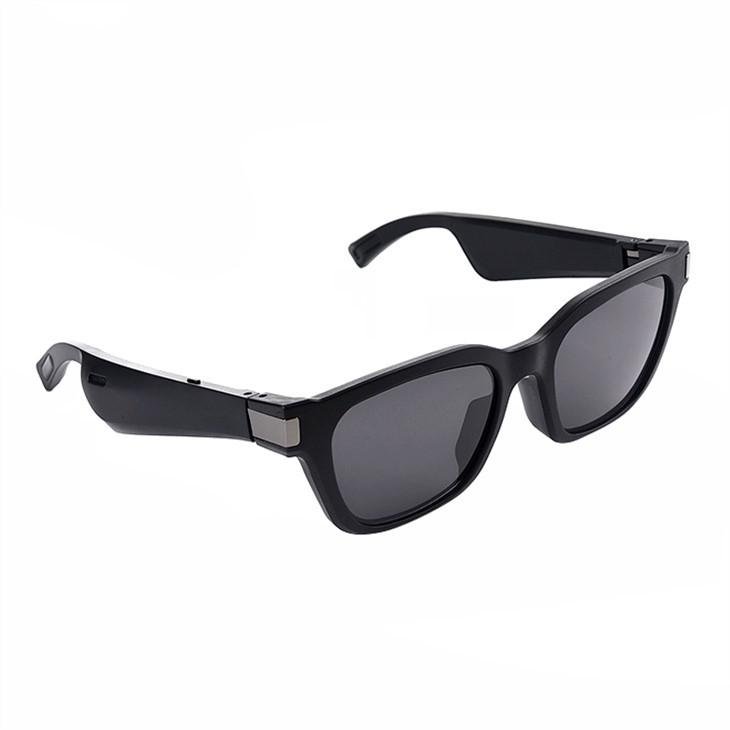
The optical system employed by INMO features waveguide-based display technology, providing a balance between field of view and form factor considerations. While the field of view may not match some enterprise-grade industrial headsets, the compact, eyewear-like form factor makes INMO Air considerably more suitable for extended wearing periods and everyday professional environments. The display brightness specifications accommodate indoor usage scenarios effectively, though outdoor visibility under direct sunlight may require additional considerations for certain applications.
Battery life represents a critical factor for standalone devices, and INMO Air addresses this through an optimized power management system. The integration of efficient processors and careful software optimization enables operational periods that support typical workday usage patterns. For B2B procurement managers evaluating devices for workforce deployment, this battery performance metric directly impacts productivity and user adoption rates across organizational implementations.
Software Ecosystem and Application Framework
The software foundation supporting INMO Air glasses emphasizes Android-based operation with custom optimizations for AR workloads. This approach offers several advantages for enterprise buyers evaluating ecosystem flexibility. Android compatibility means access to a vast library of applications and development tools, enabling organizations to deploy custom solutions or integrate existing mobile applications into their AR workflows. The development barrier remains relatively low compared to proprietary platforms, which translates to reduced implementation costs and faster deployment timelines.
INMO has developed partnerships with software providers across various industry verticals, including logistics, field services, and remote assistance applications. These collaborations demonstrate the device's capability to address real-world business requirements beyond demonstration prototypes. For brands and distributors exploring product portfolios, the established software ecosystem reduces the need for extensive custom development while maintaining differentiation opportunities through branded applications and specialized configurations.
Development Tools and Customization Options
OEM and ODM manufacturing considerations extend beyond the hardware specifications to encompass software customization capabilities. INMO provides development frameworks that enable brands to create tailored experiences while maintaining core functionality. This flexibility proves particularly valuable for companies seeking to launch proprietary AR eyewear lines under their own brand identities, leveraging established reference designs while incorporating unique value propositions.
Market Positioning and Competitive Landscape
Understanding how INMO Air positions itself within the broader AR glasses market helps B2B buyers contextualize their sourcing strategies. The device occupies a middle ground between basic display-equipped eyewear and heavy industrial AR headsets. This positioning makes INMO Air particularly attractive for organizations seeking AR capabilities without the bulk and cost associated with enterprise-grade industrial solutions. The consumer-friendly aesthetic also enables deployment scenarios where traditional industrial headsets would create social friction or brand perception concerns.
When compared against competitors like Xreal, Rokid, and other Chinese AR manufacturers, INMO distinguishes itself through its commitment to complete standalone operation. While some competing products offer optional untethered modes or require smartphone connections for certain functions, INMO Air prioritizes independence as a core design principle. This philosophical alignment with true wireless operation resonates strongly with enterprise buyers prioritizing user experience simplicity and infrastructure flexibility.
| Feature | INMO Air | Typical Competitor | Industrial Headsets |
|---|---|---|---|
| Standalone Operation | Full independence | Hybrid/Tethered | Usually tethered |
| Form Factor | Eyewear-like | Varies | Heavy/bulky |
| Weight | Lightweight | Moderate | Heavy |
| Price Positioning | Mid-range | Wide range | Premium |
| Enterprise Software | Available | Limited | Extensive |
Use Cases and Application Scenarios
The practical applications for INMO Air glasses span numerous industry verticals, each presenting unique opportunities for B2B buyers evaluating product positioning strategies. In logistics and warehouse operations, the device enables workers to access inventory information, navigation prompts, and task assignments hands-free, improving throughput and accuracy while maintaining compliance with workplace safety requirements. The standalone nature means no tangled cables or device management complications in busy warehouse environments.
Field service organizations have embraced INMO Air for remote expert assistance scenarios, where on-site technicians can share first-person video feeds with remote specialists who overlay guidance directly into the technician's field of view. This application pattern reduces travel requirements, accelerates problem resolution, and improves first-visit fix rates. The compact form factor ensures technicians can wear the device comfortably throughout their workday without experiencing fatigue or social discomfort when interacting with customers.
Educational and training applications represent another growth vertical for standalone AR eyewear. Training scenarios requiring hands-on practice benefit significantly from AR overlay guidance, enabling trainees to follow procedural instructions while maintaining visual attention on their work materials. The standalone operation removes setup complexity, allowing training sessions to begin immediately without coordinating multiple devices and connection configurations.
Strategic Considerations for B2B Procurement
B2B buyers approaching smart glasses procurement must evaluate multiple factors beyond initial device specifications. Supply chain reliability ranks among the most critical considerations, particularly for organizations planning sustained product deployments or subsequent replenishment orders. Working with established manufacturers who demonstrate production capacity and quality consistency helps mitigate risks associated with component shortages or manufacturing yield variations that occasionally affect emerging technology categories.
Customization requirements should inform the selection of manufacturing partnerships. While INMO Air serves as an excellent reference design, many brands seek differentiated products incorporating unique industrial designs, specialized components, or branded software experiences. The Chinese manufacturing ecosystem offers extensive ODM capabilities that enable substantial customization while leveraging proven technology foundations. Understanding the distinction between OEM arrangements that maintain original branding and ODM partnerships that enable complete product redefinition helps buyers align their engagement strategies with appropriate partners.
Total cost of ownership extends far beyond initial unit pricing to encompass support infrastructure, developer resources, and ongoing software maintenance. Organizations should evaluate vendor stability, roadmap commitments, and ecosystem longevity when making procurement decisions that will impact operations over multi-year horizons. The AR glasses market continues evolving rapidly, and partnerships with companies demonstrating sustained investment in their product lines reduce risks of stranded investments and orphaned deployments.
Manufacturing Excellence and Quality Assurance
For distributors and brands establishing smart glasses product lines, manufacturing partner selection significantly influences market success. Chinese manufacturing facilities have accumulated substantial expertise in wearable electronics, with many facilities specializing exclusively in AR and smart eyewear production. These specialized manufacturers bring process optimizations, quality control methodologies, and supply chain relationships that general-purpose electronics contract manufacturers cannot match.
Quality assurance protocols for smart glasses require particular attention due to the demanding requirements of optical components, wireless connectivity, and power management integration. Established manufacturers implement comprehensive testing regimes encompassing optical alignment verification, wireless performance validation, battery cycling durability, and environmental stress testing. These protocols ensure that products reaching end customers deliver consistent performance across manufacturing lots and production volumes.
The ability to scale production responsively represents another advantage of established manufacturing partnerships. Market demand for AR eyewear can fluctuate based on technology evolution, competitive dynamics, and macroeconomic factors. Manufacturing partners capable of adjusting production volumes without quality compromise enable brands to respond to market opportunities while managing inventory risk appropriately. This manufacturing flexibility proves particularly valuable for distributors serving multiple regional markets with varying demand patterns.
Future Outlook and Technology Evolution
The AR glasses market trajectory suggests continued growth across consumer and enterprise segments, with standalone devices like INMO Air positioned to capture significant opportunity as the technology matures. Display technology advances will likely bring improved resolution, wider field of view, and enhanced outdoor visibility without compromising the compact form factors that enable everyday wearability. Processor evolution will deliver improved performance with better power efficiency, extending battery life and enabling more sophisticated AR experiences.
Software ecosystem development will prove equally important for market expansion. The transition from experimental deployments to mainstream adoption requires application libraries addressing clear productivity benefits. Enterprise software vendors increasingly recognize AR eyewear as a legitimate platform, investing in native application development and platform integration capabilities. This software investment supports hardware sales by demonstrating clear return on investment for enterprise AR deployments.
For B2B buyers evaluating market entry or expansion strategies, the current period presents both opportunity and complexity. Technology continues advancing rapidly, creating potential for competitive differentiation through early adoption while also introducing uncertainty about optimal timing and technology selection. Strategic partnerships with manufacturers offering flexible engagement models can help navigate this uncertainty, enabling iterative product development that incorporates emerging capabilities without requiring premature commitment to specific technology generations.
Making Informed Procurement Decisions
The evaluation framework for smart glasses procurement should balance immediate requirements against long-term strategic objectives. Short-term focus areas include device specifications, pricing structures, and delivery timelines. These factors influence initial purchase decisions and pilot deployment success. However, sustainable competitive advantage typically emerges from strategic considerations including manufacturing partnership stability, customization flexibility, and ecosystem positioning.
Organizations entering the smart glasses market for the first time may benefit from starting with established reference designs before pursuing aggressive customization. This approach reduces technical risk while building organizational expertise in AR product management, customer support, and market development. As experience accumulates, increasing customization investment enables brand differentiation and margin improvement. The manufacturing partners best suited for early-stage engagement may differ from those optimal for mature, high-volume operations.
Due diligence processes should encompass manufacturing facility visits, quality documentation review, and reference customer conversations where possible. Understanding production capabilities, component sourcing strategies, and communication protocols helps establish realistic expectations and identify potential alignment gaps before commitment. These investments in evaluation reduce the probability of costly partnership failures or product quality issues that damage brand reputation and customer relationships.
Partner with Expert Smart Glasses Manufacturers
The analysis of INMO Air glasses and the broader standalone AR market reveals substantial opportunity for B2B buyers prepared to engage strategically with this evolving category. Whether evaluating existing products for distribution, exploring custom development for proprietary brands, or establishing manufacturing partnerships for product portfolio expansion, the Chinese smart glasses ecosystem offers capabilities and economics that enable competitive market participation.
Our manufacturing team specializes in smart glasses OEM and ODM production, supporting brands and distributors worldwide with design customization, production scaling, and quality assurance. We work with partners across the product development lifecycle, from initial concept evaluation through high-volume manufacturing and ongoing product support. Our facility capabilities encompass optical systems, wireless integration, and complete device assembly with rigorous quality protocols at every production stage.
Contact our business development team to discuss your smart glasses requirements, explore customization options, or receive detailed proposals for your specific applications. We welcome the opportunity to understand your market objectives and recommend approaches that align technology capabilities with your commercial goals. Let us help you bring competitive smart glasses products to market efficiently and reliably.
