
Posted At: Jul 20, 2026 - 1,649 Views

When evaluating smart glasses for your product portfolio or brand launch, understanding the competitive landscape matters more than ever. Huawei has emerged as a formidable player in the smart wearables space, but how do their offerings stack up against what B2B buyers actually need? This analysis cuts through the marketing noise to deliver actionable insights for distributors, brands, and procurement teams exploring smart glasses manufacturing partnerships in China.
The Rise of Huawei in Smart Eyewear
Huawei entered the smart glasses market with their EyeWear line, combining fashion-forward design with functional technology. Their products feature seamless audio integration, touch controls, andstylish form factors that appeal to mainstream consumers. The company leverages its strong ecosystem of devices and its HarmonyOS platform to create a connected experience.
For B2B buyers, however, several considerations arise when evaluating Huawei as a potential partner or competitive benchmark. Understanding these factors helps you make more informed decisions about your own product sourcing strategy.
Technology Features Comparison
Huawei smart glasses primarily focus on audio functionality, integrating speakers and microphones directly into frames. Their approach prioritizes everyday usability over specialized applications. Here's how key features compare across major players:
| Feature Category | Huawei Smart Glasses | Market Alternative Options |
|---|---|---|
| Audio Integration | Open-ear speakers, Bluetooth 5.0 | Varies by manufacturer; some offer superior audio quality |
| Battery Life | 2-4 hours continuous playback | Range from 4-12 hours depending on design |
| Charging Method | Proprietary charging case | USB-C, wireless, magnetic options available |
| Frame Options | Limited seasonal collections | Customizable materials, shapes, colors |
| AR Capabilities | Limited display features | Pure audio to advanced AR display systems |
| Water Resistance | IPX4 rating | IPX3 to IPX7 ratings available |
| Voice Assistant | Built-in (region-specific) | Multi-language support options |
While Huawei delivers solid consumer-grade performance, B2B buyers often require more customization flexibility, diverse feature sets, and competitive pricing structures that major consumer brands typically cannot accommodate.
Why B2B Buyers Are Turning to Chinese OEM Manufacturers
The smart glasses market continues evolving rapidly, and brands increasingly recognize the advantages of working directly with manufacturers rather than distributing established consumer brands. Here's what driving this shift:
Customization and Branding Freedom
Partnering with a Chinese OEM manufacturer grants complete control over product design, features, and branding. Unlike purchasing Huawei products for resale, you can develop unique offerings that differentiate your brand in crowded markets. From frame materials to audio specifications, every element becomes customizable.
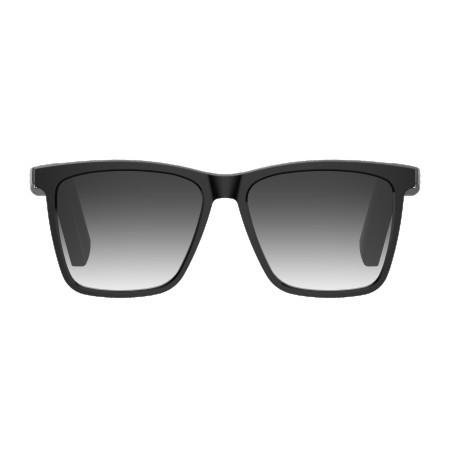
Manufacturers like us specialize in bringing your vision to life, whether you want polarized lenses with built-in audio for fishing enthusiasts or stylish frames perfect for professional settings. The flexibility simply doesn't exist when working with consumer-focused brands.
Cost Efficiency and Margin Improvement
Working through distributors or reselling established brands inevitably narrows profit margins. Direct manufacturing partnerships eliminate middlemen, allowing you to maintain healthier margins while offering competitive retail pricing. Chinese manufacturers benefit from established supply chains, skilled workforce, and economies of scale that translate to better pricing for B2B partners.
Speed to Market
Consumer electronics cycles move quickly. Brands working with major companies like Huawei often face lengthy product development timelines and rigid release schedules. Our manufacturing processes are designed for agility, helping you bring products to market faster without sacrificing quality.
Product Portfolio Flexibility
Huawei focuses on specific product categories, primarily targeting mainstream consumers seeking audio integration. B2B buyers, however, serve diverse markets with varied requirements. A fitness brand needs different specifications than a safety equipment company or a fashion retailer.
Working with a comprehensive manufacturer opens doors to multiple product categories under one partnership:
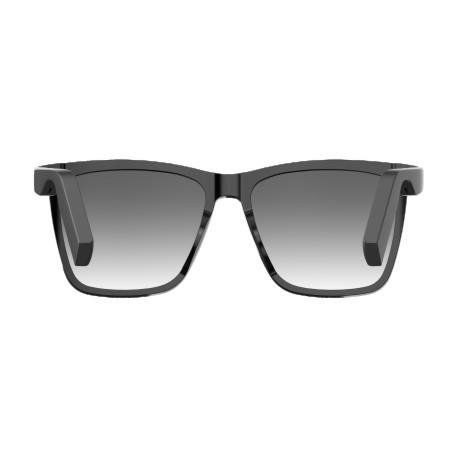
- Smart audio sunglasses for outdoor enthusiasts and commuters
- Professional smart glasses with hands-free calling capabilities
- Blue light filtering smart glasses for digital device users
- Water-resistant sports sunglasses with premium audio
- Fashion-forward designs for style-conscious consumers
This breadth allows you to expand your product lines without seeking multiple suppliers, simplifying logistics and strengthening your negotiating position.
Quality Assurance and Manufacturing Standards
Huawei benefits from substantial R&D investments and rigorous quality control processes. However, leading Chinese manufacturers have caught up significantly in these areas. Modern smart glasses factories operate under international quality management systems, employing advanced testing procedures and skilled technicians who understand both consumer expectations and industrial requirements.
When evaluating manufacturing partners, B2B buyers should look for:
- ISO certifications and compliance documentation
- Comprehensive testing facilities for durability and performance
- Transparent production processes with regular updates
- Clear communication channels and dedicated account management
- Flexible minimum order quantities for market testing
Market Positioning Considerations
Huawei occupies a specific market position: premium consumer technology with strong brand recognition, particularly in Asia. This positioning creates both opportunities and limitations for B2B buyers:
Advantages of the competitive gap:
- Huawei products may not serve all market segments effectively
- Regional availability varies, creating distribution opportunities
- Premium pricing leaves room for competitive alternatives
- Limited customization restricts niche market penetration
By understanding where established brands fall short, you can identify market opportunities and develop products that address unmet needs. The smart glasses market remains fragmented enough that nimble brands with the right manufacturing partner can establish strong positions.
Making the Right Partnership Decision
Evaluating smart glasses for your business goes beyond comparing feature lists. The right manufacturing partner affects your ability to innovate, respond to market changes, and scale operations efficiently. While Huawei represents an impressive consumer product, businesses seeking flexibility, customization, and competitive pricing often find better alignment with established Chinese manufacturers.
Consider your specific requirements: target market demographics, price points, feature priorities, branding needs, and growth projections. These factors determine whether an established consumer brand or a manufacturing partnership better serves your business objectives.
Take the Next Step
Ready to explore how a direct manufacturing partnership can support your smart glasses business goals? Our team specializes in helping B2B buyers, distributors, and brands develop customized smart eyewear products that meet exact specifications and market demands.
Whether you need audio sunglasses for active lifestyles, professional smart glasses for business applications, or innovative products that don't yet exist on the market, we're equipped to bring your vision to reality. Our experience across multiple product categories and commitment to quality manufacturing ensures your products meet the standards your customers expect.
Contact our team today to discuss your requirements, request samples, or learn more about our manufacturing capabilities. We'll work closely with you to develop products that strengthen your brand and capture market opportunities in the growing smart glasses industry.
