
Posted At: Nov 06, 2026 - 198 Views

When sourcing smart glasses for your retail or distribution business, understanding battery status indicators becomes essential knowledge. Your customers will inevitably ask how to monitor power levels on their smart eyewear, making this information crucial for your product support documentation and customer service teams. This guide walks through the primary methods manufacturers use to display battery information on smart glasses, helping you better understand what to expect from your OEM smart glasses supplier.
Understanding Smart Glasses Battery Indicators
Smart glasses typically employ multiple methods to communicate battery status to users. Modern smart eyewear combines visual, auditory, and digital indicators to ensure users always know how much power remains. As a B2B buyer evaluating products from Chinese manufacturers, familiarizing yourself with these systems helps you compare offerings and choose solutions that match your market's expectations.
Most consumer-grade smart glasses offer between 4 to 12 hours of active use, depending on features like Bluetooth connectivity, speaker output, and display functionality. Understanding these variations enables you to set accurate customer expectations and reduce return rates related to battery life concerns.
LED Indicator Light Methods
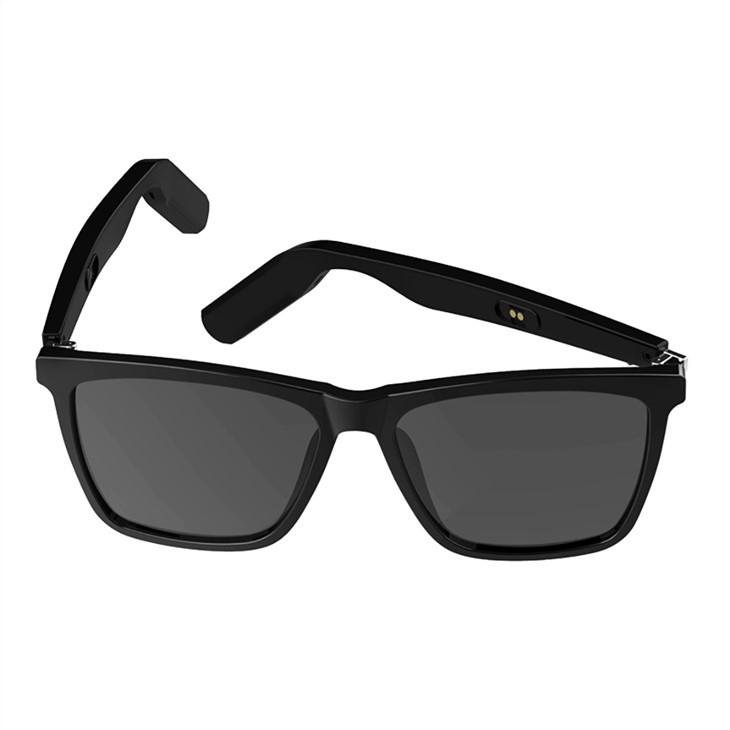
The most common and universally understood method for checking smart glasses battery involves LED indicator lights. These small lights are typically located on the temple arm or within the frame, providing instant visual feedback about power status.
Standard LED indicator patterns include:
- Solid Green Light – Battery level above 80%, indicating a full or nearly full charge
- Blinking Green Light – Active Bluetooth connection with adequate battery remaining
- Yellow or Amber Light – Battery level between 20% and 50%, signaling moderate power
- Red Blinking Light – Battery below 20%, requiring immediate charging
- No Light – Device powered off or battery depleted
When evaluating smart glasses from an OEM manufacturer, pay attention to LED placement and visibility. Some designs integrate indicators more subtly into the frame aesthetics, while others prioritize visibility for users who check battery status frequently during the day.
Mobile App Battery Monitoring
Premium smart glasses increasingly rely on companion smartphone applications to provide detailed battery information. These apps transform battery monitoring into an interactive experience, offering percentage displays, estimated remaining hours, and charging history data.
When sourcing smart glasses for your business, consider the quality and availability of companion apps. A well-developed application reflects positively on the manufacturer's commitment to user experience and can serve as a significant selling point for your end customers.
Benefits of mobile app battery monitoring include:
- Precise percentage readings rather than estimate-based indicators
- Historical charging data helping users understand battery degradation patterns
- Low battery notifications sent to paired smartphones
- Firmware update capabilities that can improve battery optimization over time
- Customizable power management settings
For B2B buyers, app quality matters significantly when differentiating your product offerings. Products like smart glasses with call and music functionality often include companion apps that enhance the overall user experience and provide valuable battery telemetry.
Voice Prompts and Audio Notifications
Many smart glasses manufacturers incorporate voice announcements to communicate battery status. This hands-free approach proves particularly valuable for users engaged in activities like cycling, driving, or exercising where checking visual indicators proves impractical.
Typical voice prompt messages include "battery low," "battery medium," or percentage announcements. Some advanced models integrate battery status into regular operation announcements, such as "connected, battery at 40%." This seamless approach to power monitoring reduces user anxiety about unexpected device shutdowns.
Voice notification systems work alongside LED indicators rather than replacing them. The combination ensures users receive battery information through their preferred channel, whether they prefer visual checks, auditory alerts, or app-based monitoring.
Battery Life Comparison Across Smart Glasses Categories
Different smart glasses categories offer varying battery performance characteristics based on their primary functionality. Understanding these differences helps B2B buyers select appropriate products for specific market segments.
| Smart Glasses Type | Typical Battery Life | Charging Time | Key Power Features |
|---|---|---|---|
| Audio/Music Glasses | 6-10 hours | 1.5-2 hours | Speaker efficiency critical |
| Calling Glasses | 4-8 hours | 1-2 hours | Microphone and Bluetooth draw |
| Driving Glasses | 8-12 hours | 1.5-2.5 hours | Auto power-off features |
| Sports Sunglasses | 5-8 hours | 1-2 hours | Water resistance affects design |
| AR Display Glasses | 2-5 hours | 2-3 hours | Highest power consumption |
This table illustrates why matching battery specifications with intended use cases matters for your business. Products like polarized smart driving glasses typically optimize for extended wear, while AR-enabled solutions prioritize feature density over battery longevity.
Maximizing Battery Performance
For distributors and brands, educating customers about battery optimization directly impacts product satisfaction and reduces support burden. Share these best practices with your buyers to enhance their experience with your smart glasses products.
Automatic Power-Off Features
Quality smart glasses incorporate automatic power-off mechanisms when the device detects inactivity. Most models enter sleep mode after 3 to 5 minutes without interaction, significantly extending standby battery life. When evaluating OEM products, verify that automatic power-off functions operate reliably without accidental activations during brief pauses in use.
Volume and Brightness Management
For smart glasses with speakers or display capabilities, volume levels directly affect battery consumption. Higher volumes require more power to drive audio output, while display brightness settings impact power draw on visual-capable devices. Encourage users to maintain moderate settings unless maximum performance becomes necessary.
Connectivity Optimization
Bluetooth connectivity represents a significant power draw on smart glasses. When not actively using wireless features, users should disconnect or power off Bluetooth to preserve battery. Some advanced models automatically disable Bluetooth after extended periods without audio transmission.
Charging Best Practices for Smart Eyewear
Proper charging habits extend overall battery lifespan, not just provide convenient power top-ups. Understanding these practices enables you to provide accurate guidance to your end customers.
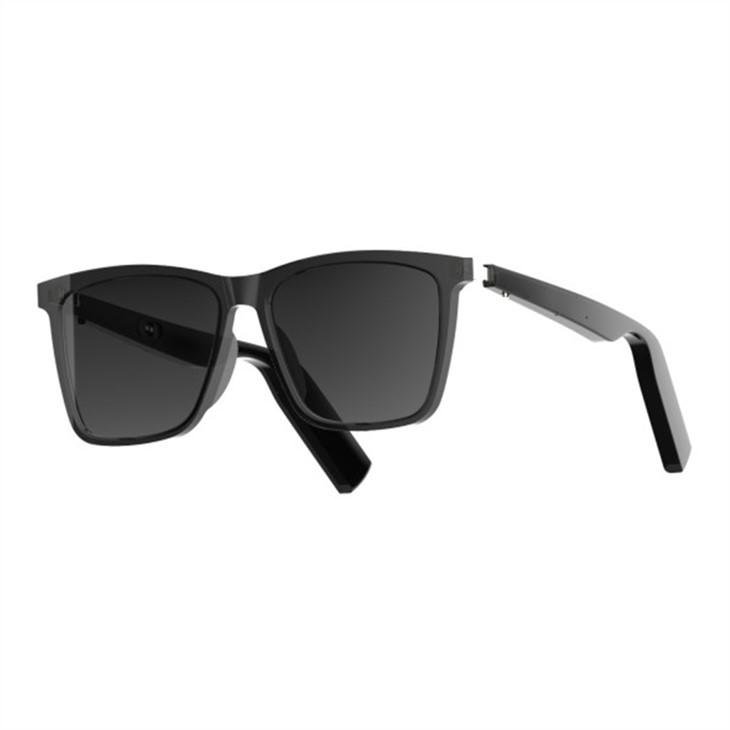
Modern smart glasses typically utilize USB-C charging ports, offering faster charging speeds and improved durability compared to older micro-USB designs. Charging times vary from 60 minutes for smaller capacity batteries to 3 hours for larger units with extended runtime specifications.
Optimal charging practices include:
- Avoiding complete battery discharge before recharging when possible
- Using manufacturer-provided or certified charging cables
- Keeping charging contacts clean and free from debris
- Storing smart glasses in moderate temperature environments
- Performing occasional full discharge cycles to calibrate battery indicators
Power Management Tips for B2B Buyers
When selecting smart glasses for your business inventory, power-related specifications deserve careful evaluation. These factors influence customer satisfaction, return rates, and your brand reputation in competitive markets.
Consider battery capacity versus weight balance. Larger batteries provide extended usage but add weight that reduces comfort during extended wear. The ideal balance depends on your target market's priorities—commuters may prefer longer battery life while fitness enthusiasts prioritize lightweight designs.
Evaluate charging infrastructure compatibility. Products using proprietary charging solutions may frustrate customers who prefer standard cables. USB-C compatibility has emerged as the industry standard, and most consumers now own compatible chargers from smartphones or laptops.
Assess indicator clarity. Battery status information must be immediately understandable without consulting user manuals. Test products personally or request detailed documentation from your OEM supplier to verify indicator designs meet this standard.
Review battery warranty terms. Battery degradation represents a common point of product failure. Understanding warranty coverage for battery-related issues protects your business and sets appropriate customer expectations.
Future Trends in Smart Glasses Power Technology
The smart glasses industry continues advancing battery technology to address consumer demands for extended usage times. Emerging developments include more efficient processors that consume less power, improved battery chemistries offering higher energy densities, and innovative charging solutions like wireless charging integration.
For B2B buyers establishing long-term product strategies, staying informed about these developments ensures competitive offerings. Working with experienced OEM manufacturers who invest in research and development positions your business to capitalize on advancing capabilities.
Energy harvesting technologies, including solar charging integrated into frame designs, represent another frontier. While still emerging, these solutions could eventually eliminate frequent charging concerns for everyday smart eyewear use.
Partner with an Experienced Smart Glasses Manufacturer
Understanding smart glasses battery systems empowers you to make informed sourcing decisions and provide superior customer support. Whether you're launching a new product line or expanding existing offerings, battery quality and indicator systems significantly impact user satisfaction and brand perception.
Our team at Smart Glasses Factory specializes in OEM and ODM manufacturing for smart eyewear products. We provide comprehensive documentation, quality control processes, and technical support to ensure your smart glasses products meet international standards. Explore our product catalog featuring innovative smart glasses solutions designed for global distribution.
Ready to discuss your smart glasses manufacturing requirements? Contact our engineering team to review specifications, request samples, and explore customization options tailored to your market requirements.
