
Posted At: Oct 06, 2026 - 4 Views

The global cycling accessories market continues to expand as more riders embrace technology-enhanced gear. GPS smart cycling sunglasses have emerged as a game-changer, allowing cyclists to navigate, track performance, and stay connected without fumbling with handlebar-mounted devices. For businesses looking to enter this lucrative market, understanding OEM features and manufacturing capabilities in China becomes crucial for success.
Understanding GPS Smart Cycling Sunglasses Technology
GPS smart cycling sunglasses integrate global positioning system receivers directly into sports eyewear, providing turn-by-turn navigation through bone-conduction audio or built-in speakers. Unlike traditional cycling computers that mount on handlebars, these innovative glasses keep riders' eyes on the road while delivering essential information.
Modern GPS cycling eyewear combines multiple sensors including GPS modules, accelerometers, gyroscopes, and barometric altimeters. The data collected feeds into companion smartphone applications, allowing cyclists to analyze routes, monitor speed, measure elevation gain, and share achievements with fellow riders. For OEM manufacturers, integrating these components requires careful consideration of power management, weight distribution, and durability under demanding cycling conditions.
The waterproof sports polarized glasses available through our manufacturing services demonstrate how outdoor-focused eyewear can incorporate smart features while maintaining the rugged construction cyclists demand. Polarized lenses reduce glare from road surfaces and water, enhancing visual comfort during long rides in varying conditions.
Core OEM Features for GPS Cycling Sunglasses
When evaluating GPS smart cycling sunglasses for OEM production, several features distinguish premium products from basic implementations. B2B buyers should prioritize manufacturers who can deliver these capabilities at scale while maintaining consistent quality across batches.
Navigation and GPS Integration
The GPS module serves as the heart of cycling smart sunglasses, requiring high sensitivity for reliable satellite tracking even in urban canyons or heavily forested trails. Leading OEM manufacturers utilize multi-constellation GPS receivers supporting GPS, GLONASS, Galileo, and BeiDou systems for improved positioning accuracy. This capability proves especially valuable for competitive cyclists who need precise distance measurements and split times.
Route synchronization typically occurs through Bluetooth connectivity with dedicated cycling applications like Strava, Komoot, or manufacturer-developed apps. The sunglasses receive turn-by-turn directions and deliver audio prompts through open-ear speakers positioned near the temples. Some models also display basic indicators through subtle LED arrays or micro displays, showing distance to next turn or current speed.
Audio Systems and Communication
Bone-conduction technology has become the preferred audio delivery method for cycling smart glasses, allowing riders to hear navigation prompts and music while maintaining awareness of surrounding traffic and environment sounds. OEM manufacturers must source quality bone-conduction drivers that deliver clear audio without excessive vibration discomfort during extended rides.
Alternatively, directional speaker arrays provide a more traditional approach, projecting sound toward the rider's ears while minimizing sound leakage to others nearby. Many OEM products now include built-in microphones for hands-free calling, requiring careful acoustic engineering to filter wind noise and deliver clear voice transmission during high-speed cycling.
Power Management and Battery Life
Battery performance directly impacts user satisfaction with GPS cycling sunglasses. Extended rides lasting several hours demand batteries capable of sustaining GPS tracking and audio output throughout the journey. OEM manufacturers must balance capacity with weight considerations, as heavier glasses cause fatigue and neck strain during prolonged use.
Typical battery specifications for GPS cycling sunglasses include lithium-polymer cells ranging from 300mAh to 600mAh, providing 4-12 hours of continuous operation depending on active features. Fast charging capabilities through USB-C ports have become expected features, allowing riders to top up batteries during rest stops. Some advanced OEM designs incorporate solar charging elements in the frame temples, extending runtime during daylight rides.
Lens Technology and Optical Features
Premium cycling sunglasses require more than just smart features—they must provide exceptional optical performance under challenging conditions. OEM manufacturers offer various lens technologies that can be customized for specific market requirements and price points.
The anti-ultraviolet sunglasses UV400 manufactured in our facility block 100% of harmful UVA and UVB radiation, protecting cyclists' eyes during extended sun exposure. UV protection should be considered a baseline requirement rather than a premium feature, as prolonged UV exposure increases cataract risk and other eye health concerns.
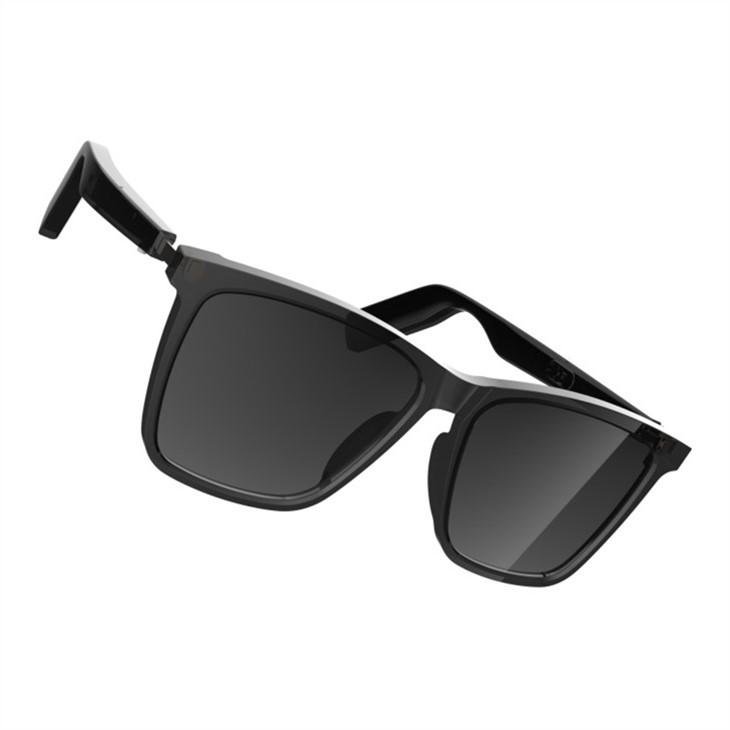
Polarized lenses significantly reduce glare from road surfaces, water, and snow, improving visual comfort and reducing eye strain. For cycling-specific applications, manufacturers can specify polarized filters with optimized orientation to minimize interference with LCD displays and dashboard instruments that some cyclists still use alongside their smart glasses. Photochromic lenses that automatically darken in response to UV intensity offer versatile performance across changing light conditions.
Durability and Weather Resistance
Cycling exposes eyewear to sweat, rain, dust, and physical impacts from falls or branch contact. OEM specifications must address these environmental challenges through appropriate material selection and sealing strategies. IPX ratings provide standardized water resistance measurements, with IPX6 minimum recommended for cycling applications and IPX7 or higher preferred for products intended for all-weather use.
Frame materials typically include impact-resistant polycarbonate for the main structure, with TPE or rubber components at contact points for grip and shock absorption. Lens materials should exceed ANSI Z87.1 impact requirements to ensure protection during crashes. OEM manufacturers with cycling eyewear experience understand that frames must survive thousands of flex cycles without developing stress fractures at hinge points.
OEM Customization Options for Brands
Successful market entry requires products that reflect brand identity and address specific customer segments. Leading China manufacturers offer comprehensive customization services enabling B2B buyers to differentiate their offerings while maintaining competitive pricing through efficient production processes.
Design and Aesthetic Customization
Frame geometry, proportions, and styling can be adjusted to match brand positioning and target demographics. Racing-focused designs emphasize aerodynamic profiles and aggressive styling appealing to competitive cyclists, while adventure-focused products prioritize coverage and durability with a rugged aesthetic. Fashion-forward brands can request refined styling suitable for urban commuting and casual cycling.
Color matching extends beyond frame finishes to include lens tints, temple tip colors, and accent details. Minimum order quantities for custom colors typically range from 500-1000 units depending on complexity, though some manufacturers offer small-batch options for market testing or limited editions. Brand logo placement options include laser engraving on temples, embossed details, or metal decorative elements.
Technical Feature Configuration
GPS module selection impacts cost, accuracy, and power consumption characteristics. Qualcomm, MediaTek, and STMicroelectronics chipsets offer different performance profiles that OEM engineers can specify based on product positioning. Memory capacity for offline maps and ride history storage represents another configuration variable, with options typically ranging from 4GB to 32GB.
Connectivity specifications including Bluetooth version, supported codecs, and companion app integration can be customized to align with existing brand ecosystems or third-party platform partnerships. Some brands prefer closed systems with proprietary apps, while others prioritize broad compatibility with popular cycling platforms.
Production Specifications and Quality Standards
Understanding manufacturing capabilities helps B2B buyers set realistic expectations and avoid costly surprises during production. Quality-focused manufacturers implement comprehensive testing protocols ensuring every unit meets specified performance parameters.
| Feature Category | Standard Specification | Premium Specification |
|---|---|---|
| GPS Sensitivity | -165 dBm | -169 dBm |
| Bluetooth Version | 4.2 | 5.0+ BLE |
| Battery Life | 6 hours | 12+ hours |
| Water Resistance | IPX4 | IPX7 |
| Frame Weight | 45-50g | 35-40g |
| Lens Impact Rating | ANSI Z80.3 | ANSI Z87.1 |
Market Trends Driving Demand
Several factors contribute to growing market opportunity for GPS smart cycling sunglasses. Increased cycling participation following urban congestion concerns and health awareness has expanded the addressable market significantly. Competitive cycling disciplines including gravel racing and bikepacking have driven demand for navigation-focused equipment that performs reliably in remote locations without cellular connectivity.
Smart city initiatives worldwide have accelerated infrastructure development for cycling, making bikes a more viable transportation option for urban commuters. This demographic values discreet technology integration that doesn't sacrifice professional appearance, creating opportunities for brands offering understated smart glasses designs suitable for both cycling and casual urban wear.
Integration with broader fitness ecosystems continues deepening, with GPS cycling sunglasses increasingly serving as data collection points for comprehensive activity tracking. Wearable device consolidation trends favor multifunctional products that replace multiple dedicated devices, improving value perception among cost-conscious consumers.
Partner Selection for OEM Manufacturing
Choosing the right manufacturing partner impacts product quality, time-to-market, and long-term business sustainability. B2B buyers should evaluate potential partners across multiple dimensions beyond simple pricing considerations.
Technical expertise in both optics and electronics indicates a manufacturer's ability to integrate complex systems effectively. Request demonstrations of existing GPS or smart eyewear products to assess performance in real-world conditions. Quality certifications including ISO 9001, CE, and FCC demonstrate commitment to standards compliance that simplifies market entry across different regions.
Communication efficiency becomes critical when managing international supply chains. Manufacturers offering dedicated account management and transparent production reporting help B2B buyers maintain visibility throughout development and production phases. Prototype services allowing physical evaluation before production commitments reduce risk significantly.
The smart call sports glasses in our product portfolio showcase integration capabilities that translate directly to GPS cycling applications. Our manufacturing experience spans multiple smart eyewear categories, providing the versatility B2B buyers require for diverse product portfolios.
Getting Started with Your GPS Cycling Sunglasses Project
Successful product launches begin with clear specification development that balances feature ambitions with realistic manufacturing constraints. Define minimum viable specifications based on target price points and competitive positioning before engaging manufacturers.
Request detailed proposals from multiple potential partners, comparing not only unit costs but also tooling investments, sample fees, and payment terms. Understanding total cost of ownership helps avoid surprises during production scaling. Minimum order quantities vary significantly across manufacturers, with some offering flexibility for initial orders while requiring larger commitments for ongoing production.
Timeline expectations typically span 3-6 months from specification finalization to first production shipment, depending on customization depth and component availability. Build adequate buffer time for certification processes if your target markets require specific compliance testing. Regulatory requirements for wireless devices vary by region, with FCC certification mandatory for US market entry and CE marking required for European sales.
Ready to explore GPS smart cycling sunglasses manufacturing for your brand? Our engineering team specializes in developing customized smart eyewear solutions for B2B partners worldwide. Contact us today to discuss your project requirements and discover how our manufacturing capabilities can bring your vision to market efficiently.
