
Posted At: May 19, 2026 - 1,811 Views

Spring arrives with a rush of outdoor energy. Trails reopen, temperatures climb, and hikers across the globe dust off their boots for the season. For brands and distributors in the smart wearables space, this represents a critical window of opportunity. The hiking and outdoor smart glasses market is experiencing unprecedented growth, and companies that position themselves strategically during spring months capture market share that compounds throughout the year.
The convergence of lightweight optical technology, advanced Bluetooth audio systems, and durable outdoor-ready designs has created a new category of wearables that hikers genuinely need. Unlike fitness trackers or smartwatches that clip onto wrists, smart glasses integrate seamlessly into the outdoor experience—providing navigation cues, hands-free communication, and immersive audio without interrupting the rhythm of a hike.
Why Spring Hiking Drives Smart Glasses Demand
Seasonal patterns reveal clear purchasing behavior among outdoor enthusiasts. When winter loosens its grip, consumers immediately seek gear upgrades. They want products that enhance their spring adventures while offering durability for the unpredictable weather conditions that characterize early hiking season.
Smart glasses designed for outdoor use address several pain points that traditional audio devices cannot solve. Earbuds fall out during vigorous activity. Headphones create isolation that feels dangerous on shared trails. Smartphone speakers require stopping and pulling out a device. Smart glasses eliminate these friction points entirely, creating an audio experience that feels natural and unobtrusive.
B2B buyers recognize this market dynamics. Retailers consistently report that outdoor technology purchases spike in March and April, with hikers actively seeking gear that works across varied terrain and weather conditions. Stocking smart glasses that meet these demands positions distributors for strong Q2 sales performance.
Essential Features for Hiking-Ready Smart Glasses
Not all smart glasses perform equally in outdoor environments. B2B buyers evaluating OEM partnerships should understand which specifications matter most for the hiking demographic. These features determine both consumer satisfaction and return rates—critical metrics for brand reputation.
Weather Resistance and Durability
Hikers encounter morning dew, sudden rain showers, and perspiration during steep climbs. IPX4 water resistance minimum represents the baseline expectation, though premium models targeting serious hikers often achieve IPX5 or higher ratings. Frame materials must withstand accidental impacts against tree branches and rocky outcroppings without cracking or losing alignment.
Smart Call Sports Glasses demonstrate how weather-resistant construction translates into real-world reliability. The wraparound design protects eyes from wind and debris while integrated speakers deliver clear audio even during intense physical activity. These specifications matter to consumers who have experienced cheaper alternatives failing mid-hike.
Battery Life for Extended Treks
A typical spring day hike lasts four to eight hours, often in areas without charging access. Smart glasses need sufficient battery capacity to last an entire outing plus provide a safety buffer. Look for models offering six to eight hours of continuous playback—this covers most hiking scenarios while leaving room for GPS features if included.
Fast charging capability represents another differentiator. Hikers appreciate the ability to gain two hours of playback from a fifteen-minute charge during a lunch break. This feature increasingly appears on premium models and serves as a compelling selling point for tech-forward consumers.
Audio Quality in Open Environments
Outdoor audio presents unique challenges that indoor listening does not. Wind noise, ambient sounds from nature, and open-air acoustics all affect how music and calls are perceived. Directional speaker technology that minimizes sound leakage while maximizing clarity has become standard among quality manufacturers.
Open-ear audio designs serve hikers particularly well because they maintain environmental awareness. Trail runners and hikers value being able to hear approaching mountain bikers, wildlife, or changing weather conditions without removing their glasses or pausing playback.
UV Protection and Optical Performance
Spring sun intensity catches many hikers unprepared. Extended time at elevation or near reflective snowpack creates significant UV exposure. Quality smart sunglasses incorporate polarized lenses with 100% UV protection, often meeting ANSI Z80.3 or equivalent standards for optical clarity.
Interchangeable lens systems appeal to consumers who transition between shaded trails and exposed ridgelines. Smart glasses that offer quick-swap lens options command premium positioning in the outdoor market.
Market Analysis: Spring 2025 Smart Glasses Trends
Industry data indicates the outdoor smart glasses segment will grow approximately 35% year-over-year through 2025. Several factors contribute to this acceleration beyond typical seasonal patterns.
- Post-pandemic outdoor activity normalization: The hiking and trail running boom shows no signs of reversing. First-time hikers from 2020-2022 have maintained their outdoor habits, creating a larger permanent customer base.
- Convergence device adoption: Consumers increasingly seek devices that replace multiple products. Smart glasses that combine audio, sun protection, and communication reduce the gear burden hikers carry.
- Social sharing integration: Hikers share their experiences extensively on social platforms. Smart glasses with camera capabilities enable first-person perspective content creation that resonates with audiences.
- Health monitoring features: Integration of heart rate monitoring, altitude tracking, and route logging transforms smart glasses into comprehensive outdoor companions rather than simple audio devices.
The market opportunity extends beyond individual consumer sales. Corporate wellness programs increasingly provide outdoor activity stipends. Adventure tourism operators seek equipment upgrades. National park systems explore technology partnerships. Each channel represents distinct volume opportunities for established B2B relationships.
Manufacturing Considerations for OEM Partnerships
B2B buyers evaluating smart glasses production in China face decisions that impact product quality, margin structure, and time-to-market. Understanding the manufacturing landscape helps buyers negotiate effectively and set realistic expectations.
Component Sourcing and Supply Chain
Smart glasses require coordination across multiple specialized component suppliers. Optical lenses, Bluetooth modules, battery cells, speaker drivers, and frame materials each involve distinct supply chains. Established manufacturers maintain relationships with tier-one component suppliers, ensuring consistent quality and availability.
When evaluating partners, B2B buyers should request transparency regarding component sourcing. Manufacturers who cannot clearly identify their supplier relationships may face quality inconsistencies or production delays.
Customization Capabilities
Brand differentiation in the smart glasses market increasingly depends on customization options. Frame colors, lens tints, logo placement, and packaging design all contribute to brand positioning. Chinese manufacturers vary significantly in their flexibility for customization.
Minimum order quantities (MOQs) typically range from 500 to 2,000 units for custom colorways and branding. Products manufactured with standard configurations may allow smaller order quantities. B2B buyers should clarify customization options during initial supplier conversations to ensure alignment with market positioning strategy.
Certification and Compliance
Exporting smart glasses to major markets requires proper certification. CE marking applies to European sales. FCC certification covers the United States market. Regional variations exist for battery safety, RF emissions, and optical standards.
Quality manufacturers assist B2B buyers with certification processes, providing documentation and supporting test reports. Attempting to navigate certification independently often results in costly delays and potential compliance issues.
Product Selection: Smart Glasses for Outdoor Applications
Selecting the right product portfolio requires balancing consumer appeal with manufacturing feasibility and margin requirements. The following analysis examines smart glasses categories suited for the spring hiking market.
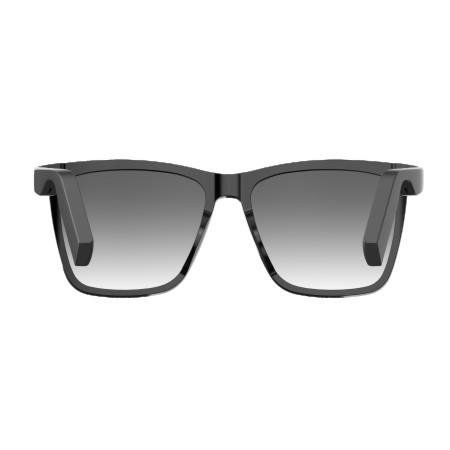
Bluetooth Sunglasses for Driving and Daily Use represent the largest smart glasses segment, but their appeal extends to outdoor activities. These models typically feature polarized lenses, hands-free calling, and music playback. Their universal design appeals to consumers seeking versatile glasses that transition from trail to town.
The Bluetooth Call Driving Glasses category demonstrates how driving-focused products capture outdoor market share. Hikers who also commute appreciate glasses that serve multiple use cases, reducing the number of devices they carry.
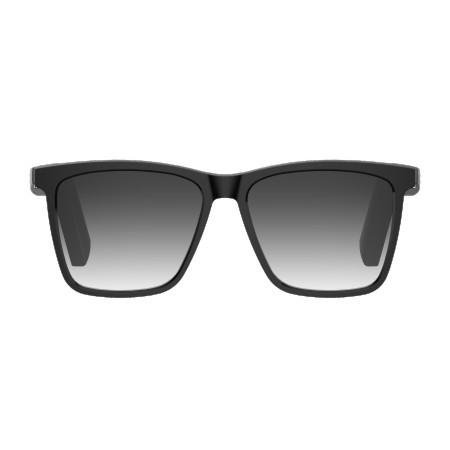
Smart Audio Glasses target consumers who prioritize music and podcast listening during activities. Open-ear speaker designs provide ambient sound awareness while delivering satisfying audio performance. These models typically offer extended battery life and comfortable all-day wear characteristics.
Competitive Positioning for B2B Success
Brands entering the spring smart glasses market must differentiate clearly from established competitors. Several positioning strategies have proven effective for emerging players.
Activity-specific bundles create compelling retail offerings. Pairing smart glasses with hiking-specific accessories—lens cases, anti-fog wipes, sport straps—demonstrates category expertise and provides margin expansion opportunities. Retailers appreciate vendors who simplify purchasing decisions through curated bundles.
Subscription and service integration represents an emerging differentiator. Brands that connect smart glasses with outdoor navigation apps, fitness tracking platforms, or community features create lock-in that competitors struggle to replicate. B2B buyers should evaluate manufacturers' flexibility for app integration and custom software development.
Sustainability messaging increasingly influences purchase decisions, particularly among younger outdoor enthusiasts. Recycled frame materials, responsible manufacturing disclosures, and carbon offset programs provide differentiation that supports premium pricing.
Quality Comparison for Outdoor Smart Glasses
| Feature | Entry Level | Mid Range | Premium |
|---|---|---|---|
| Battery Life | 4-5 hours | 6-8 hours | 10+ hours |
| Water Resistance | IPX4 | IPX5 | IPX6+ |
| Lens Options | Single fixed | Interchangeable | Prescription compatible |
| UV Protection | Category 3 | Category 3+ | Polarized Category 4 |
| Frame Material | Polycarbonate | TR90 Nylon | Titanium/Grilamid |
Building Your Spring Smart Glasses Strategy
The window for spring product positioning closes quickly. B2B buyers who secure manufacturing partnerships and inventory commitments in late winter capture pricing advantages and production priority that mid-season buyers cannot access.
Product development timelines typically span 8-14 weeks from specification finalization to warehouse arrival, depending on customization complexity. Brands should begin partner evaluation during fall and winter months, targeting Q4 for manufacturing agreements that enable spring retail availability.
Inventory planning requires balancing demand forecasting against carrying costs. Conservative initial orders validate market response before committing to volume production. Successful brands maintain flexible relationships with manufacturers who accommodate reorder flexibility without excessive penalty.
Retail channel development deserves parallel attention. Outdoor specialty retailers, adventure tourism outfitters, and e-commerce platforms each represent distinct customer acquisition strategies. Multi-channel presence amplifies brand visibility while reducing dependency on any single retailer.
Partner with Smart Glasses Factory for OEM Manufacturing
Smart Glasses Factory specializes in custom smart glasses manufacturing for brands, distributors, and enterprise buyers worldwide. Our vertically integrated production facilities in China enable rapid prototyping, flexible MOQ options, and consistent quality across volume production runs.
We work with B2B partners to develop smart glasses that reflect unique brand positioning—from audio sunglasses to sport-specific designs. Our team supports the entire process, from initial concept through certification and global shipping.
Spring hiking season demand is accelerating. Position your brand for success by exploring our product capabilities and manufacturing options. Contact our sales team to discuss your smart glasses requirements and discover how we can help bring your vision to market.
