
Posted At: Nov 12, 2026 - 96 Views

The global smart glasses market is experiencing unprecedented growth, projected to reach $28 billion by 2030. For brands, distributors, and entrepreneurs looking to capitalize on this trend, sourcing smart glasses from China wholesale has become the strategic choice for competitive positioning. Understanding how to navigate direct imports and forge partnerships with experienced manufacturers can mean the difference between market success and costly missteps.
Why Source Smart Glasses from China?
China remains the undisputed manufacturing powerhouse for consumer electronics, and smart eyewear is no exception. When you work directly with a smart glasses factory in China, you eliminate multiple layers of intermediaries that inflate costs without adding value. The supply chain efficiency found in manufacturing hubs like Shenzhen and Dongguan enables rapid production cycles and the ability to scale operations based on actual market demand.
Beyond cost savings, Chinese manufacturers have accumulated extensive expertise in miniaturized electronics, battery optimization, and optical integration. These technical capabilities translate into products that meet international quality standards while remaining accessible to brands at various stages of growth. Whether you need basic audio sunglasses or advanced AR-enabled eyewear, the ecosystem exists to support your vision.
Understanding OEM and ODM Manufacturing Models
When engaging with smart glasses wholesale suppliers, you'll typically encounter two primary partnership models. Original Equipment Manufacturing (OEM) allows you to provide your own designs and specifications, with the factory handling production based on your exact requirements. This approach works well for established brands with proprietary technology or unique industrial design preferences.
Original Design Manufacturing (ODM) offers a different pathway, where manufacturers provide pre-developed product platforms that you can customize with your branding and minor modifications. This model significantly reduces time-to-market since the core technology and engineering have already been validated. For brands entering the smart eyewear space for the first time, ODM partnerships often represent the most pragmatic entry point.
At Smart Glasses Factory, we offer flexible arrangements supporting both models, ensuring your specific business context dictates the partnership structure rather than forcing a one-size-fits-all approach.
Breaking Down Minimum Order Quantities
A persistent misconception about Chinese manufacturing holds that MOQs are prohibitively high. While some factories do require large initial orders, the landscape has evolved considerably. Modern smart glasses manufacturers recognize that today's startup could become tomorrow's enterprise client, which has driven many facilities to offer reduced minimum commitments for qualified buyers.
Typical MOQ ranges in the industry vary significantly based on product complexity and customization level. Standard products with logo customization might require 50-100 units per colorway, while fully custom designs with unique tooling needs may start at 500 units. These numbers represent significant opportunities for smaller distributors and emerging brands to test products without accepting excessive inventory risk.
Factors Influencing Minimum Order Requirements
Several variables affect the minimum quantity a manufacturer will accept. Component standardization plays a crucial role—products built around common component libraries typically allow smaller batches since raw materials can be sourced efficiently. Custom color formulations, specialty finishes, and bespoke packaging tend to increase MOQs because these elements require dedicated setup time and material commitments.
Supply chain dynamics also influence minimums. When global semiconductor availability is constrained, factories may consolidate orders to optimize component purchasing. Conversely, during periods of stable supply, more flexible arrangements become possible. Building relationships with manufacturers during favorable periods creates advantages when market conditions tighten.
Quality Assurance in Smart Glasses Manufacturing
Quality control represents a legitimate concern for first-time importers, but proper protocols mitigate most risks. Reputable factories implement multi-stage inspection processes spanning incoming component verification, in-process monitoring during assembly, and comprehensive final testing before shipment. Understanding these procedures and potentially engaging third-party inspection services provides additional confidence in product consistency.
When evaluating potential partners, request detailed quality documentation including test reports for battery safety, electromagnetic compliance, and optical performance specifications. Factories confident in their processes will readily share this information. Resistance to providing quality documentation should prompt serious reconsideration of the partnership.
Consider requesting samples before committing to production orders. Evaluating prototypes and pre-shipment samples allows you to assess actual build quality, audio performance, battery life, and comfort characteristics. This investment typically costs more than final production units but protects against larger losses from quality mismatches discovered after full order receipt.
Cost Structure and Pricing Considerations
Understanding what drives smart glasses pricing helps buyers negotiate effectively and set realistic expectations. The bill of materials typically represents 50-65% of total production cost, with components like displays, processors, speakers, batteries, and optical elements commanding significant portions. Labor and assembly contribute roughly 15-20%, while manufacturing overhead, quality control, and packaging account for the remaining balance.
| Cost Component | Percentage of Total | Key Factors |
|---|---|---|
| Components (BOM) | 50-65% | Display tech, audio quality, processor power |
| Labor & Assembly | 15-20% | Complexity, automation level, location |
| Manufacturing Overhead | 10-15% | Facility standards, testing equipment |
| Packaging & Logistics | 5-10% | Materials, destination, volume |
| Quality Control | 5-8% | Inspection depth, certifications |
Volume discounts exist but follow diminishing returns curves. The jump from 100 to 500 units typically yields 15-25% cost reduction, while scaling from 500 to 5000 units might only add another 8-12% savings. Strategic buyers often find the optimal balance by ordering quantities that capture meaningful unit cost benefits while managing inventory risk appropriately.
Customization Options for Brand Positioning
Differentiating your smart glasses offering requires thoughtful customization beyond simply applying a logo. Consider the full spectrum of brand expression opportunities including frame colors, temple arm finishes, engraving patterns, and custom carrying cases. These elements transform standard products into distinctive brand experiences that command premium positioning.
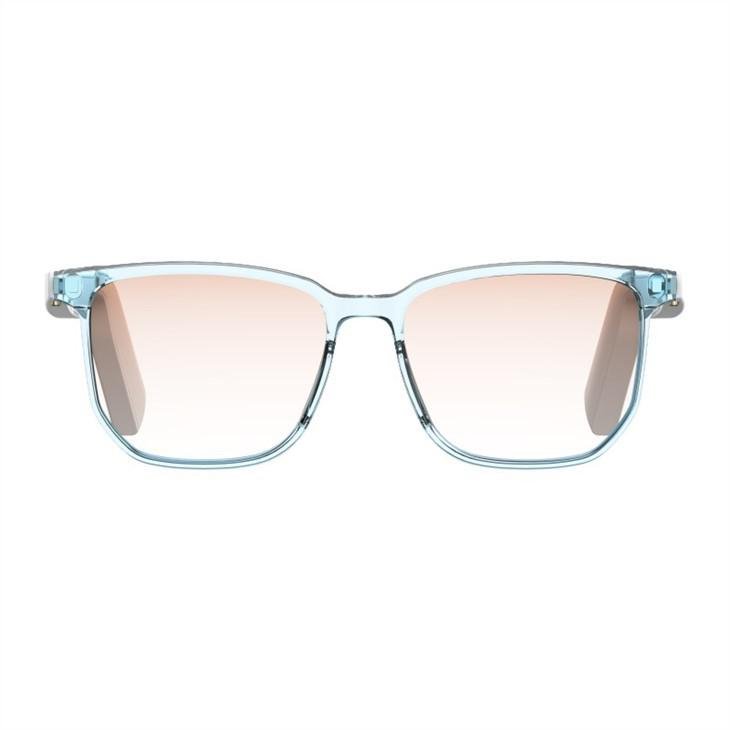
Software customization presents additional differentiation pathways. Branded applications, custom audio profiles, and proprietary UI elements create ecosystems that increase customer switching costs. Work with manufacturers who support firmware customization and app development to fully leverage these opportunities.
Functional variations also merit consideration. Different use cases demand different specifications—sports-focused buyers might prioritize water resistance and secure fit, while business applications could emphasize professional aesthetics and extended battery life. Offering product variants targeting distinct market segments maximizes shelf space and addresses varied customer needs.
Navigating Import Logistics and Regulations
Importing smart glasses involves navigating customs requirements, regulatory compliance, and logistics optimization. Electronic products must meet destination country standards—FCC certification in the United States, CE marking in Europe, and CCC approval in China for domestic sales. Factories experienced with export understand these requirements and build compliance into their production processes.
Shipping options range from economical sea freight to time-critical air freight. Smart glasses' relatively compact size makes air shipping more viable than for bulkier products, though cost-per-unit implications remain significant at larger volumes. Many buyers employ hybrid strategies, shipping initial inventory by air for rapid market entry while sea freight delivers larger replenishment quantities.
Working with experienced freight forwarders who understand electronics imports prevents common pitfalls including improper customs classification, missed duty exemptions, and documentation errors that trigger delays or penalties. These specialists often provide consolidated shipping options that reduce per-unit logistics costs for smaller orders.
Building Long-Term Manufacturing Partnerships
The most successful brands treat manufacturers as strategic partners rather than transactional vendors. Establishing clear communication channels, regular performance reviews, and transparent business practices creates relationships that weather market fluctuations and unexpected challenges. Manufacturers who feel genuinely valued often provide preferential treatment during capacity constraints.
Consider visiting potential partners in person when possible. Factory audits, production line tours, and face-to-face relationship building provide insights impossible to obtain remotely. Many manufacturers offer hosted visits for serious prospects, recognizing that investment in relationship building reduces long-term partnership friction.
Long-term thinking also applies to product roadmaps. Share your vision for future products and anticipated volume growth. Manufacturers who understand your trajectory can plan capacity investments, component qualification efforts, and engineering resources accordingly. This visibility creates mutual commitment that benefits both parties as the relationship matures.
Market Opportunities in Smart Eyewear
The smart glasses category continues expanding beyond early adopter tech enthusiasts into mainstream consumer markets. Audio sunglasses have established strong traction among outdoor enthusiasts, commuters, and fitness consumers seeking hands-free music and calls without dedicated headphones. This segment represents an accessible entry point for new brands seeking market validation.
Professional applications present compelling opportunities as workplace productivity tools. Remote collaboration, hands-free information access, and augmented reality overlays appeal to industries ranging from logistics and manufacturing to healthcare and field services. B2B sales cycles differ from consumer markets but often involve larger order volumes and longer-term partnership arrangements.
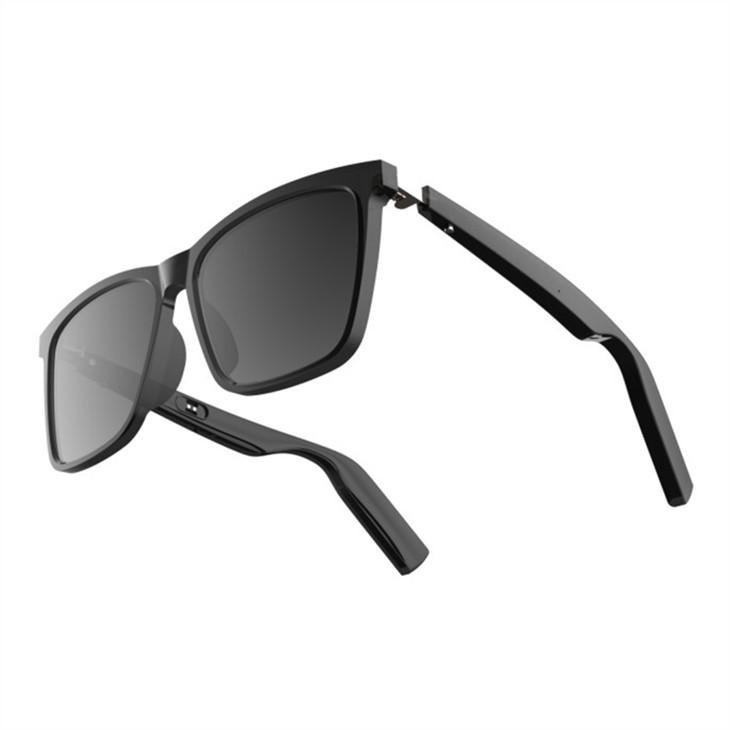
Fashion integration remains a critical success factor. Unlike earlier generations of clunky tech-forward designs, contemporary smart glasses successfully blend functionality with style. Consumers increasingly view smart eyewear as fashion accessories rather than purely technological devices, opening distribution through traditional optical retailers and fashion channels alongside electronics outlets.
Getting Started with Your Smart Glasses Import
Beginning your smart glasses wholesale journey requires systematic preparation. Define your product requirements clearly—target use cases, required features, quality expectations, and price constraints. Research comparable products already available in your target markets to establish competitive positioning and realistic pricing strategies.
Identify and vet potential manufacturing partners thoroughly. Request portfolio samples of completed projects, verify manufacturing certifications, and contact existing clients when possible. Pay attention to communication responsiveness and professionalism during initial inquiries—these behaviors often predict partnership quality.
Start with manageable commitments that validate the relationship before scaling. Order sample quantities to evaluate actual product quality, test logistics procedures, and assess communication effectiveness. Success at smaller volumes builds confidence and establishes track records that support larger commitments as your business grows.
Ready to explore smart glasses wholesale options that align with your business requirements? Our team at Smart Glasses Factory specializes in helping B2B buyers bring their smart eyewear visions to market. Contact us today to discuss your project specifications, customization requirements, and volume commitments. Let us help you build a product line that captures market opportunity and drives sustainable growth.
