
Posted At: Oct 22, 2026 - 67 Views

The smart glasses market continues to expand rapidly as consumer demand for wearable technology grows across fitness, communication, and entertainment sectors. For brands and distributors looking to enter this lucrative market, understanding the ODM (Original Design Manufacturer) development process is essential for successful product launch. Working with an experienced smart glasses manufacturer in China can significantly reduce time-to-market while ensuring product quality meets international standards.
Understanding ODM in Smart Glasses Manufacturing
ODM partnerships offer brands the advantage of leveraging existing technological expertise without investing heavily in R&D infrastructure. When you collaborate with a smart glasses ODM, you gain access to proven designs, established supply chains, and manufacturing capabilities that have been refined through years of production experience. This approach allows you to customize features, aesthetics, and branding while benefiting from the manufacturer's technical knowledge and production efficiency.
Unlike traditional manufacturing relationships where you provide complete specifications, ODM partnerships involve collaborative development. The manufacturer contributes design suggestions, component recommendations, and engineering solutions based on your market requirements. This hybrid approach balances customization with efficiency, making it particularly attractive for mid-sized brands and emerging market players.
Phase 1: Concept Validation and Requirements Gathering
Every successful smart glasses project begins with thorough concept validation. During this initial phase, your ODM partner will work closely with your team to define product requirements, target market positioning, and competitive differentiation strategies. Key considerations include intended use cases, desired features, price point targets, and regulatory compliance requirements for your target markets.
The requirements gathering process typically involves detailed discussions about core functionalities such as audio capabilities, connectivity options, battery life expectations, and any specialized features like UV protection or polarized lenses. Your manufacturer will assess the technical feasibility of each requirement and provide honest feedback about what can be achieved within your budget and timeline constraints. This collaborative dialogue ensures alignment before significant resources are invested in development.
Phase 2: Industrial Design and Prototyping
Once requirements are finalized, the industrial design phase transforms conceptual ideas into tangible product specifications. Skilled design teams create 3D models and renderings that visualize the final product from multiple angles. This stage addresses aesthetic considerations including frame shape, temple thickness, lens dimensions, and overall proportions that determine wearer comfort and visual appeal.
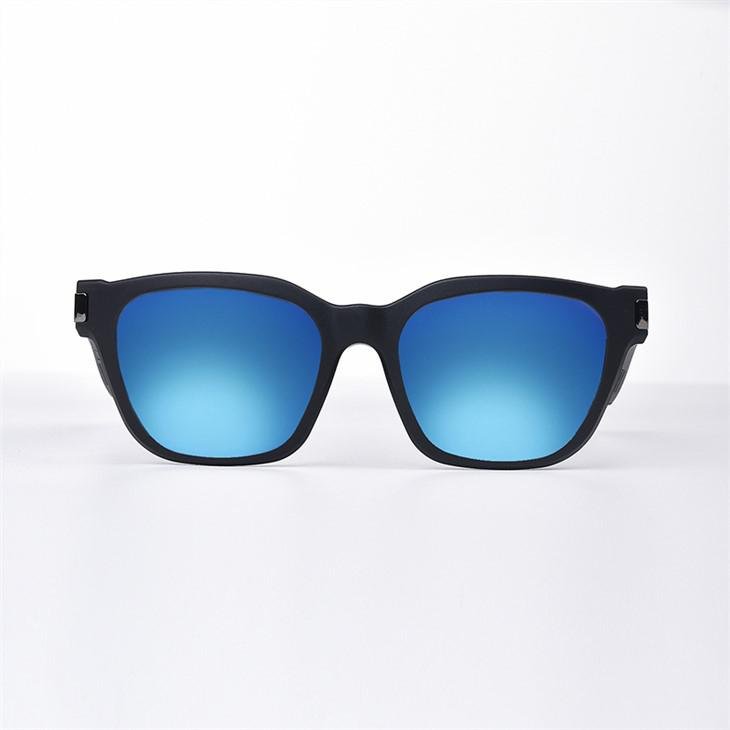
Prototyping follows design finalization, producing physical samples that allow you to evaluate fit, finish, and functionality before committing to mass production. During this phase, multiple iterations may be necessary to achieve optimal comfort levels and aesthetic balance. The prototyping stage also serves as an opportunity to test critical features like hinge mechanisms, weight distribution, and button placement. Experienced manufacturers maintain rapid prototyping capabilities to minimize turnaround time during this iterative process.
Phase 3: Technical Development and Component Selection
Technical development encompasses the engineering work that brings smart functionality to your eyewear designs. This phase involves selecting appropriate components including Bluetooth modules, audio drivers, batteries, sensors, and control interfaces. Component selection significantly impacts product performance, manufacturing costs, and regulatory compliance.
Your ODM partner should have established relationships with reputable component suppliers to ensure consistent quality and reliable supply chains. The technical team will recommend components based on your specific requirements for audio quality, connectivity range, power consumption, and durability. For specialized applications such as outdoor use or athletic activities, components must meet additional environmental and performance standards.
Phase 4: Software Development and Integration
Smart glasses require sophisticated software to deliver seamless user experiences. The software development phase includes firmware programming, mobile application development, and integration testing across all functional components. Your manufacturer should provide or coordinate software development services that ensure compatibility between hardware and application layers.
Key software considerations include user interface design, voice command capabilities, gesture controls, battery management algorithms, and connectivity protocols. The software must support reliable Bluetooth pairing with various devices while maintaining low power consumption to maximize battery life. Thorough testing across different smartphone platforms and operating systems ensures broad compatibility when products reach end consumers.
Phase 5: Quality Assurance and Certification Testing
Quality assurance represents a critical phase that determines whether your products will perform reliably in the hands of consumers. Comprehensive testing protocols should cover electrical safety, electromagnetic compatibility, battery performance, and durability under various environmental conditions. For products intended for sale in multiple markets, certification testing to regional standards such as CE, FCC, and RoHS must be completed.
Your ODM manufacturer should maintain accredited testing facilities or established partnerships with certified testing laboratories. Accelerated life testing simulates extended use patterns to identify potential failure modes before mass production begins. Water and dust resistance testing is particularly important for eyewear that may be used during physical activities or in variable weather conditions.
Phase 6: Tooling and Manufacturing Preparation
Transitioning from prototype to mass production requires specialized tooling investment. Tooling development includes creating injection molds for plastic components, metal stamping dies for frame elements, and custom fixtures for assembly operations. The complexity of your design directly influences tooling costs and development timelines.
Experienced manufacturers leverage their expertise to optimize designs for manufacturing efficiency without compromising quality or aesthetics. Design for Manufacturability (DFM) reviews identify potential production challenges early, allowing modifications that reduce defect rates and improve assembly speed. This proactive approach minimizes costly production issues and ensures smooth scaling from initial runs to full-volume manufacturing.
Phase 7: Pilot Production and Process Optimization
Pilot production runs produce limited quantities of finished products using the complete mass production process. These runs serve multiple purposes: validating production workflows, training manufacturing personnel, identifying bottlenecks, and producing samples for final customer approval. Any issues discovered during pilot production can be addressed before committing to full-scale manufacturing.
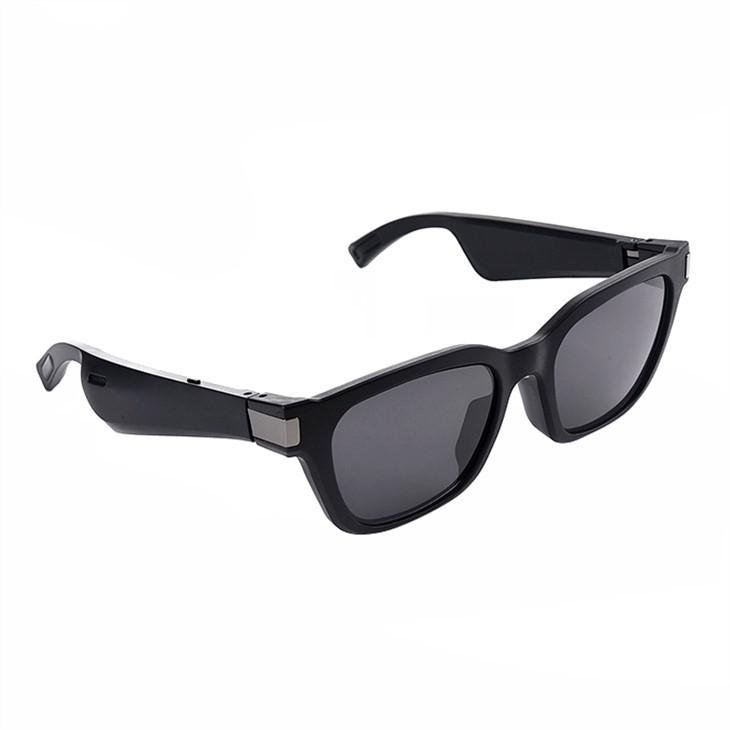
Process optimization during pilot production focuses on improving efficiency, reducing waste, and ensuring consistent quality across production batches. Statistical process control methods monitor critical parameters during assembly, enabling immediate detection of deviations from acceptable tolerances. The goal is establishing robust manufacturing processes that produce consistent results at scale.
Phase 8: Mass Production and Quality Control
Mass production commences following successful pilot production validation. At this stage, your ODM partner coordinates all aspects of manufacturing including component procurement, assembly operations, quality inspection, and packaging preparation. Effective production management ensures on-time delivery while maintaining quality standards throughout the manufacturing process.
Quality control procedures should be integrated throughout the production line rather than relegated to final inspection alone. In-process checks verify component placement, soldering quality, and functional testing at designated stages. Finished product testing validates audio performance, connectivity range, battery life, and overall functionality before products are released for shipment.
Key Factors for Successful ODM Partnerships
Successful smart glasses development depends heavily on selecting the right manufacturing partner. Evaluate potential partners based on their experience with similar products, engineering capabilities, quality management systems, and communication processes. A manufacturer with proven expertise in smart eyewear brings invaluable knowledge that accelerates development and reduces technical risks.
| Development Phase | Typical Timeline | Key Deliverables |
|---|---|---|
| Concept Validation | 2-4 weeks | Requirements document, feasibility assessment |
| Industrial Design | 4-8 weeks | 3D renders, design specifications |
| Prototyping | 3-6 weeks | Physical prototypes, testing reports |
| Technical Development | 8-12 weeks | Schematics, component specifications |
| Software Development | 6-10 weeks | Firmware, mobile app, integration testing |
| Certification Testing | 4-8 weeks | Test reports, certifications |
| Pilot Production | 2-4 weeks | Production samples, process documentation |
| Mass Production | Per order | Finished goods, quality documentation |
Clear communication channels and responsive support are equally important as technical capabilities. Your manufacturing partner should provide dedicated project management and regular progress updates throughout the development process. Transparent communication helps address challenges quickly and keeps projects on schedule.
Bringing Your Smart Glasses to Market
The journey from concept to consumer-ready product requires careful planning, skilled execution, and reliable partnership. By understanding the ODM development process, you can approach manufacturer discussions with greater confidence and clarity. Each phase builds upon previous achievements, creating a foundation for successful product launch.
Working with an established smart glasses manufacturer provides access to proven technologies, efficient processes, and quality systems that would require significant investment to develop independently. This partnership model allows brands to focus on market positioning, distribution, and customer relationships while leveraging manufacturing expertise for product creation.
The smart glasses market offers substantial opportunities for brands that can deliver quality products at competitive price points. Understanding development timelines, typically ranging from four to eight months from concept to production, enables realistic planning and market entry strategies. Early engagement with manufacturing partners during the planning phase often reveals opportunities for cost optimization and feature enhancement.
Ready to transform your smart glasses concept into market-ready reality? Our engineering team has successfully delivered dozens of custom smart eyewear products for brands worldwide. Contact our ODM specialists today to discuss your project requirements and discover how we can accelerate your product development timeline while ensuring uncompromising quality standards.
