
Posted At: Sep 29, 2026 - 21 Views

The Chinese smart glasses market has experienced remarkable transformation over the past three years, driven by technological advancements, shifting consumer preferences, and aggressive government support for augmented reality initiatives. As domestic demand continues to surge, businesses worldwide are recognizing the strategic importance of establishing manufacturing partnerships with experienced Chinese producers. Understanding the nuances of this market has become essential for B2B buyers, distributors, and brands seeking to capitalize on emerging opportunities.
China currently stands as both the world's largest producer and one of the most promising consumption markets for smart wearable technology. The convergence of robust manufacturing infrastructure, skilled workforce, and increasingly sophisticated domestic consumer demand creates an ecosystem where quality products emerge at competitive price points. For brands entering this space or expanding their portfolio, the insights gained from analyzing Chinese market dynamics can inform critical decisions about product development, pricing strategies, and partnership structures.
Market Size and Growth Trajectory
The smart glasses segment within China's broader wearables market has demonstrated consistent double-digit growth, with industry analysts projecting continued expansion through the remainder of the decade. Several factors contribute to this upward trajectory, including declining component costs, improvements in battery life, and the mainstreaming of AR applications across consumer and enterprise contexts.
Domestic consumption patterns reveal interesting distinctions from Western markets. Chinese consumers demonstrate strong preferences for products that seamlessly integrate social features, mobile payment capabilities, and entertainment functionalities. This has shaped the product development priorities of local manufacturers, resulting in smart glasses that emphasize connectivity, audio quality, and intuitive smartphone integration. The market has responded enthusiastically, with sales volumes reflecting growing acceptance of smart eyewear as a legitimate everyday accessory rather than a niche technology product.
Key Demand Drivers in the Chinese Market
Multiple interconnected factors fuel domestic demand for smart glasses in China. The youth demographic, particularly consumers aged 18 to 35, represents the most active purchasing segment. These users prioritize style aesthetics alongside technical capabilities, expecting devices that complement their personal fashion sense while delivering practical functionality. Manufacturers have responded by offering diverse frame styles, color options, and customizable elements that appeal to this design-conscious audience.
Professional adoption has also accelerated significantly. Enterprise applications span logistics, warehousing, field service operations, and remote collaboration tools. Chinese businesses increasingly deploy smart glasses for training purposes, quality control inspection, and hands-free access to information databases. This B2B segment drives demand for more ruggedized products with enhanced durability specifications and enterprise software integration capabilities.
The fitness and outdoor recreation market constitutes another substantial demand category. Consumers engaged in cycling, hiking, running, and other outdoor activities appreciate the convenience of audio-enabled sunglasses that allow them to enjoy music and take calls without interrupting their activities. Products like the Wireless Bluetooth Sunglasses For Cycling exemplify how manufacturers address these specific use cases with purpose-built designs.
Regional Consumption Patterns
Geographic distribution of smart glasses consumption within China reveals concentration in tier-one and tier-two cities, where disposable income levels and technology adoption rates run highest. Shanghai, Beijing, Guangzhou, and Shenzhen lead in early adoption metrics, though second-tier cities are rapidly catching up as product availability improves and prices become more accessible.
Regional preferences also influence product selection. Northern regions show stronger demand for cold-weather compatible models with thermal insulation properties. Coastal areas demonstrate preferences for water-resistant designs suitable for humid conditions. Manufacturers serving these diverse requirements benefit from understanding how climate and lifestyle factors shape local purchasing decisions.
Competitive Landscape and Manufacturing Excellence
The Chinese smart glasses manufacturing sector has matured considerably, with numerous facilities capable of producing devices meeting international quality standards. The competitive landscape includes both large-scale operations with comprehensive in-house capabilities and specialized workshops focusing on particular product categories or assembly services.
Quality improvements have been particularly notable in audio components, optical systems, and battery technology. Chinese manufacturers now produce bone-conduction speakers, directional audio systems, and high-quality optical modules that compete favorably with components from established international suppliers. This vertical integration of capabilities within China's manufacturing ecosystem enables faster product development cycles and more responsive production schedules.
Supply chain infrastructure supports efficient component sourcing, with proximity to electronics manufacturing hubs in Guangdong and Zhejiang provinces facilitating streamlined logistics. Assembly facilities can access displays, sensors, batteries, and frame materials from nearby suppliers, reducing lead times and inventory holding costs.
Product Categories Driving Market Expansion
The market has diversified into several distinct product categories, each addressing specific consumer needs and price points. Audio-integrated sunglasses represent the largest segment by volume, combining UV protection with wireless music playback and call functionality. These products appeal to style-conscious consumers seeking functional accessories for outdoor activities and daily commutes.
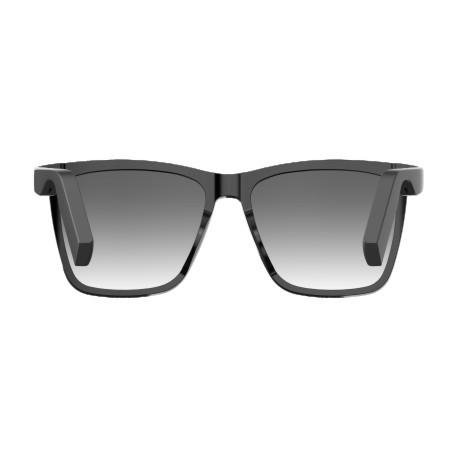
Blue-light filtering glasses with smart features target the remote work and digital device user demographic. As screen time has increased dramatically, consumers seek protective eyewear that also offers connectivity benefits. Products like the Anti-Blue Light Lens Transparent option address this growing need while incorporating modern wireless capabilities.
Fashion-forward designs represent an emerging category where style takes precedence without sacrificing functionality. These products target consumers who view smart glasses as a fashion statement and status symbol, willing to pay premium prices for distinctive aesthetics. Chinese manufacturers have developed considerable expertise in creating frames that rival traditional luxury eyewear brands in visual appeal while delivering integrated smart features.
Why Partner with Chinese OEM/ODM Manufacturers
For brands and distributors entering or expanding within the smart glasses market, establishing manufacturing partnerships in China offers compelling advantages. Cost efficiency remains a primary driver, with production costs often 30-50% lower than comparable manufacturing in Europe or North America. This enables competitive pricing strategies or improved margin structures depending on market positioning.
Manufacturing flexibility proves equally valuable. Chinese facilities commonly accept small initial production runs for market testing, then scale rapidly to volume production upon validation. This agility reduces investment risk for new market entrants and allows established brands to test product variations without committing massive upfront resources.
Technical capabilities have advanced to the point where Chinese manufacturers can handle sophisticated product development from concept through mass production. Engineering teams collaborate with brand partners to refine designs, select optimal component configurations, and ensure manufacturing processes meet quality specifications. The Bluetooth Office Glasses demonstrate how manufacturers balance professional aesthetics with practical wireless functionality for workplace applications.
Navigating Quality Assurance and Compliance
B2B buyers naturally concerns about quality consistency and regulatory compliance. Leading Chinese manufacturers have invested heavily in quality management systems, with many achieving certifications including ISO 9001, ISO 13485 for medical devices, and various product safety standards relevant to target markets.
Intellectual property protection has improved significantly, with established manufacturers understanding the importance of maintaining client confidentiality and protecting proprietary designs. Contractual frameworks, NDAs, and secure facility operations provide reasonable assurances for brands sharing innovative concepts with manufacturing partners.
Future Outlook and Strategic Positioning
The trajectory of China's smart glasses market suggests continued expansion, with technological refinements expected to address remaining barriers to mass adoption. Improvements in battery technology will enable longer usage times between charges. Reductions in device weight and improvements in comfort will make extended wear more practical. Enhanced AR capabilities will unlock new application categories beyond current use cases.
Domestic demand will likely remain strong as Chinese consumers increasingly embrace smart eyewear as a normal accessory category. The convergence of fashion, technology, and functionality positions smart glasses as an attractive segment within the broader wearables market. Brands that establish manufacturing partnerships now position themselves advantageously for anticipated growth phases.
Making Your Manufacturing Decision
Selecting the right manufacturing partner requires careful evaluation of capabilities, experience, communication practices, and alignment with your specific product requirements. Factory tours, sample evaluations, and thorough reference checks provide essential intelligence for this decision.
The investment in establishing strong manufacturing relationships pays dividends through product quality, production reliability, and long-term cost optimization. As the Chinese smart glasses market continues its growth trajectory, brands equipped with reliable manufacturing partnerships will be best positioned to capture market opportunities and respond to evolving consumer demands.
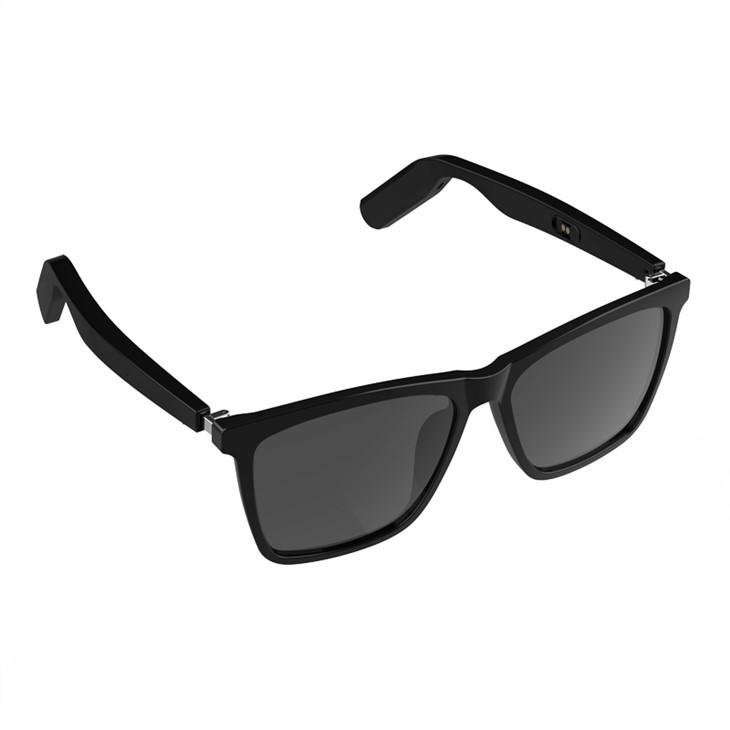
Ready to explore manufacturing possibilities for your smart glasses brand? Our team welcomes inquiries from B2B buyers, distributors, and brands seeking experienced manufacturing partners capable of bringing your product vision to market efficiently and cost-effectively.
