
Posted At: Jul 23, 2026 - 55 Views

The global smart eyewear market continues its explosive growth trajectory, with waterproof capabilities becoming a non-negotiable feature for brands targeting active consumers. Whether you're a B2B buyer, distributor, or brand manager seeking to launch your own product line, understanding the landscape of waterproof smart glasses is essential for making informed sourcing decisions in 2026.
Chinese manufacturers have advanced significantly in producing high-quality waterproof smart eyewear that meets international standards. This guide examines the top contenders, technical specifications, and what you need to know before partnering with an OEM/ODM factory for your next product launch.
Why Waterproof Ratings Matter for Smart Glasses
Smart glasses face unique challenges that traditional eyewear does not encounter. Internal components including batteries, speakers, microphones, and circuit boards must be protected from moisture ingress while maintaining full functionality. For B2B buyers, the waterproof rating serves as a critical quality indicator that directly impacts:
- Product lifespan in outdoor and fitness environments
- Customer satisfaction and return rates
- Brand reputation in the market
- Warranty claims and support costs
Manufacturers offering smart call sports glasses have recognized that athletes and outdoor enthusiasts demand devices that can withstand sweat, rain, and accidental water exposure without compromising audio quality or connectivity.
Understanding IP Ratings for Smart Eyewear
The Ingress Protection (IP) rating system provides standardized information about protection levels against solid objects and liquids. For smart glasses in 2026, B2B buyers should focus on two key digits:
First Digit: Solid Protection
Levels range from 0 (no protection) to 6 (dust-tight). Most quality smart glasses achieve IP5X or IP6X for dust resistance, which is essential for outdoor use.
Second Digit: Liquid Protection
This ranges from 0 to 9K, covering scenarios from dripping water to high-pressure steam cleaning. For smart glasses, the practical range includes:
- IPX4: Protection against splashing water from any direction
- IPX5: Protection against water jets from any direction
- IPX6: Protection against powerful water jets
- IPX7: Protection against temporary immersion (up to 1 meter for 30 minutes)
- IPX8: Protection against continuous immersion beyond 1 meter
Modern anti-sweat sports glasses typically achieve IPX5 or IPX6 ratings, making them suitable for intense workouts and outdoor activities where moisture exposure is frequent.
Top Waterproof Smart Glasses for OEM/ODM Manufacturing in 2026
1. Smart Call Sports Glasses
The Smart Call Sports Glasses represent the pinnacle of waterproof smart eyewear design for active lifestyles. These glasses combine hands-free calling capabilities with robust water resistance, making them ideal for cycling, running, and team sports.
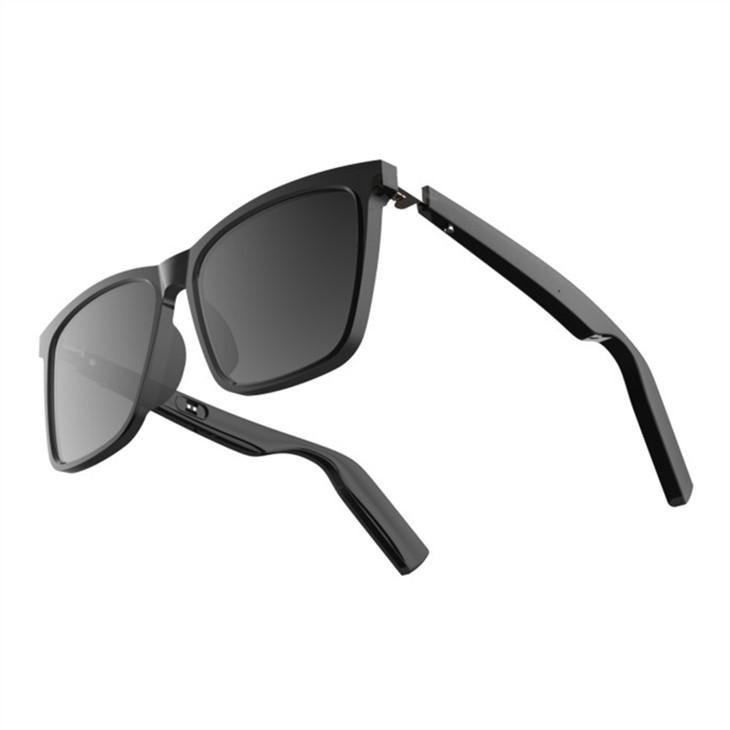
Key Specifications:
- IPX6 water resistance rating
- Built-in microphone array for clear voice capture
- Open-ear speaker design for environmental awareness
- UV400 protection lenses
- Bluetooth 5.0 connectivity
- 8+ hours of continuous playback
For B2B buyers, these glasses offer an attractive price-to-feature ratio and proven market acceptance across European and North American markets.
2. Cycling Sunglasses with Smart Features
The cycling sunglasses category has evolved beyond basic UV protection. Modern versions integrate audio systems, navigation prompts, and advanced water resistance specifically engineered for cyclists who face variable weather conditions.
Cycling-specific waterproof smart glasses undergo rigorous testing including:
- High-velocity water impact simulation
- Thermal cycling between temperature extremes
- Salt spray exposure for coastal riding conditions
- Mechanical stress during rapid head movements
3. Anti-Sweat Sports Glasses
Perhaps the most demanding environment for smart glasses is high-intensity training, where users generate significant perspiration. Anti-sweat sports glasses feature enhanced sealing around all electronic components and use hydrophobic materials throughout the chassis.
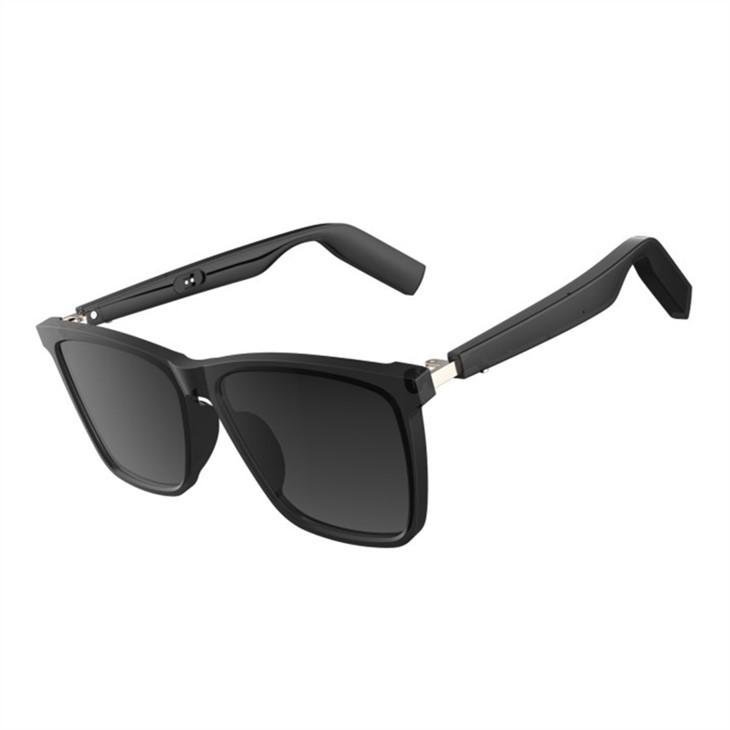
Manufacturing considerations for anti-sweat designs include specialized gaskets, nano-coating applications on circuit boards, and careful management of thermal expansion to maintain seal integrity during workouts.
Technical Manufacturing Considerations for Waterproof Smart Glasses
B2B buyers evaluating OEM/ODM partners must understand the technical requirements that enable true waterproof performance. Several manufacturing processes directly impact the final product's water resistance.
Sealing Technologies
Modern waterproof smart glasses employ multiple sealing strategies:
| Sealing Method | Protection Level | Typical Application | Cost Impact |
|---|---|---|---|
| Mechanical Gaskets | IPX4-IPX6 | Button areas, battery compartments | Low-Medium |
| Ultrasonic Welding | IPX5-IPX7 | Frame joints, lens attachment | Medium |
| Nano-Coating | IPX5-IPX6 | Internal electronics | Medium |
| Full Potting | IPX7-IPX8 | Critical electronics modules | High |
| Multi-layer System | IPX6-IPX8 | Complete assembly | High |
Material Selection
The frame material significantly influences waterproof design options. TR-90 nylon composite offers excellent flexibility and can accommodate gasket channels machined directly into the material. Polycarbonate frames provide good impact resistance but require additional sealing measures. Metal components, while premium-feeling, introduce galvanic corrosion risks that must be addressed through material selection and plating processes.
Component Integration
Waterproof smart glasses require careful integration of multiple subsystems:
- Battery management: Sealed battery compartments with pressure equalization membranes
- Speaker modules: Waterproof drivers with protected sound channels
- Microphone arrays: Wind and water-resistant mic placement with acoustic chambers
- Touch controls: Capacitive sensors behind sealed surfaces or mechanical switches with dual sealing
- Charging ports: Magnetic waterproof connectors or sealed USB-C implementations
Comparative Analysis: Waterproof Smart Glasses Features
| Product Category | IP Rating | Best For | OEM MOQ | Price Segment |
|---|---|---|---|---|
| Smart Call Sports Glasses | IPX6 | Multi-sport athletes | 500 units | Mid-Range |
| Cycling Sunglasses | IPX5-IPX6 | Road and mountain cyclists | 300 units | Mid-High |
| Anti-Sweat Sports Glasses | IPX5 | Gym and fitness enthusiasts | 500 units | Mid-Range |
| P5 True Wireless | IPX4 | Casual lifestyle use | 1000 units | Entry-Mid |
| Bluetooth 5.0 Smart | IPX5 | Professional use | 500 units | Mid-Range |
Market Trends Driving Waterproof Smart Glasses Demand
Several converging trends are accelerating B2B interest in waterproof smart glasses for 2026 and beyond.
Fitness and Outdoor Recreation Growth
Global participation in outdoor sports continues expanding, particularly in markets across North America, Europe, and Asia-Pacific. Consumers increasingly expect their wearables to match their activity level, and smart glasses that cannot withstand moisture exposure face criticism and negative reviews that damage brand equity.
Professional Applications
Beyond consumer fitness, waterproof smart glasses are finding applications in professional contexts including:
- Logistics and warehouse operations requiring hands-free communication
- Construction and industrial environments with dust and moisture exposure
- Emergency services and first responder coordination
- Marine and coastal operations
Technology Maturation
Component miniaturization and improved waterproofing techniques have made robust water resistance achievable at price points that support mass-market distribution. B2B buyers can now source products with IPX6 ratings at costs comparable to non-waterproof alternatives from just a few years ago.
Sourcing Waterproof Smart Glasses: OEM vs ODM Considerations
B2B buyers have two primary pathways for obtaining waterproof smart glasses: Original Equipment Manufacturing (OEM) and Original Design Manufacturing (ODM).
OEM Approach
OEM partnerships involve providing your own specifications to a factory that manufactures to your designs. This approach offers maximum customization but requires significant technical expertise to specify waterproofing requirements correctly. When pursuing OEM for waterproof smart glasses, ensure your specifications include:
- Detailed IP rating requirements
- Testing protocols and acceptance criteria
- Material compatibility requirements
- Quality assurance checkpoints during production
ODM Approach
ODM partnerships leverage existing product platforms that manufacturers have refined and tested. This approach reduces development time and leverages proven waterproofing designs. Leading factories like Smart Glasses Factory maintain extensive portfolios of Bluetooth 5.0 smart glasses with validated waterproof performance that can be customized with your branding and minor specification adjustments.
Quality Assurance and Testing Protocols
Reputable manufacturers implement comprehensive testing to validate waterproof claims. B2B buyers should confirm their OEM/ODM partners perform the following:
- IP rating verification: Third-party laboratory testing to confirm ingress protection levels
- Production sampling: AQL-based inspection of production runs to maintain consistent quality
- Accelerated life testing: Simulated aging and environmental exposure to predict long-term performance
- Real-world validation: Field testing in actual use conditions by beta users
Cost Factors for Waterproof Smart Glasses Manufacturing
Waterproofing requirements influence manufacturing costs through several mechanisms:
- Component costs: Waterproof speakers, microphones, and connectors carry price premiums over standard versions
- Assembly complexity: Sealed construction requires more precise assembly with additional quality checks
- Testing requirements: Water ingress testing adds production time and potential yield losses
- Material choices: Hydrophobic coatings and sealing materials contribute to material costs
B2B buyers should evaluate these factors holistically, considering that improved waterproofing typically reduces warranty claims, returns, and brand damage that can far exceed initial manufacturing cost differences.
Regulatory Compliance for International Markets
Waterproof smart glasses sold internationally must comply with various regulations:
- CE marking: Required for European Economic Area sales, including safety and electromagnetic compatibility
- FCC certification: Mandatory for US market entry
- RoHS compliance: Restriction of hazardous substances in electrical equipment
- Regional regulations: Additional requirements may apply in specific countries
Work with your OEM/ODM partner to ensure products are designed for target market compliance from the beginning of the development process.
Future Outlook: Waterproof Smart Glasses Through 2026 and Beyond
The trajectory for waterproof smart glasses points toward higher ratings at lower price points. Several developments will shape the market:
- Improved battery technology: Solid-state batteries and improved energy density reduce heat generation and enable tighter sealing
- Advanced coatings: Next-generation hydrophobic and superhydrophobic treatments provide better protection with thinner layers
- Integrated sensors: Environmental sensors monitoring UV exposure, air quality, and biometrics expand use cases
- AR integration: Augmented reality capabilities increasingly require robust protection for delicate optical components
B2B buyers positioning for future market leadership should evaluate OEM/ODM partners on their R&D capabilities and roadmap alignment.
Making Your Waterproof Smart Glasses Sourcing Decision
Selecting the right waterproof smart glasses for your brand requires balancing multiple factors: target IP rating, budget constraints, minimum order quantities, customization requirements, and timeline considerations. The products examined in this guide represent proven options that have demonstrated market viability and manufacturing reliability.
For brands seeking quick market entry, ODM products like the cycling sunglasses offer established waterproof designs with established supply chains. For those requiring maximum differentiation, OEM partnerships with factories demonstrating advanced waterproofing expertise will be essential.
Whatever approach you choose, waterproof capability has transitioned from premium feature to baseline expectation. B2B buyers who source products meeting robust IP standards position their brands for positive customer experiences and reduced operational headaches.
Ready to explore waterproof smart glasses options for your product line? Review our complete portfolio of waterproof smart eyewear or contact our manufacturing team to discuss your specific requirements for 2026 product launches.
