
Posted At: Sep 15, 2026 - 15 Views

The global smart glasses market has experienced unprecedented growth, with artificial intelligence integration becoming the defining feature of next-generation eyewear. For businesses seeking to launch competitive AI-powered smart glasses, partnering with the right manufacturing partner in China remains the most strategic approach. Chinese factories have established themselves as the backbone of consumer electronics production, and smart glasses are no exception. Understanding how to identify, evaluate, and collaborate with top-tier AI smart glasses factories can significantly impact your product's success in the marketplace.
This guide examines the landscape of AI smart glasses manufacturing in China, providing B2B buyers, distributors, and brands with the knowledge needed to make informed decisions about OEM and ODM partnerships. Whether you are launching a new product line or expanding existing offerings, the information here will help you navigate the complexities of smart glasses production.
Why China Dominates Smart Glasses Manufacturing
China's supremacy in electronics manufacturing stems from a unique combination of factors that few other countries can replicate. The Pearl River Delta region alone houses thousands of specialized component suppliers, creating an integrated supply chain that dramatically reduces production costs and lead times. When you work with a Chinese smart glasses factory, you gain access to this ecosystem of suppliers, each contributing specialized components from micro-displays and cameras to batteries and sensors.
Beyond infrastructure, Chinese manufacturers have accumulated decades of experience in consumer electronics assembly, with particular expertise in miniaturization and power efficiency. The workforce in major manufacturing hubs includes highly skilled engineers who understand the nuances of integrating multiple technologies into compact, wearable form factors. This institutional knowledge translates directly into better product outcomes for brands that leverage these manufacturing relationships.
Additionally, the competitive nature of the Chinese manufacturing landscape drives continuous innovation. Factories invest heavily in research and development to attract international clients, offering increasingly sophisticated capabilities in AI integration, acoustic engineering, and optical systems. This competitive pressure benefits buyers, as factories strive to provide cutting-edge solutions at attractive price points.
Key Capabilities to Evaluate in AI Smart Glasses Manufacturers
When assessing potential manufacturing partners, certain technical competencies separate excellent factories from mediocre ones. Understanding these capabilities helps you align your product requirements with the right supplier.
AI Processing and Integration
True AI smart glasses require sophisticated on-device processing capabilities. Look for factories with demonstrated expertise in integrating neural processing units (NPUs) and AI algorithms directly into eyewear. The best manufacturers collaborate with AI chip companies like Qualcomm, MediaTek, and specialized AI accelerator providers to deliver responsive voice assistants, real-time translation, and computer vision features without excessive battery drain.
Smart Glasses Wifi Call Glasses represent the kind of advanced product that requires seamless AI integration. These devices demonstrate how manufacturers combine connectivity, processing power, and user-friendly interfaces to create compelling consumer experiences. Evaluating a factory's portfolio of similar products provides insight into their AI implementation capabilities.
Optical Systems and Display Technology
The visual component of smart glasses involves complex optical engineering. Factories must demonstrate proficiency in waveguide design, micro-display integration, and lens manufacturing. Whether your product uses augmented reality overlays or simple notification displays, the optical quality directly impacts user satisfaction. Top manufacturers employ optical engineers who understand how to balance field of view, image clarity, and eyewear comfort.
Audio Engineering for Open-Ear Experiences
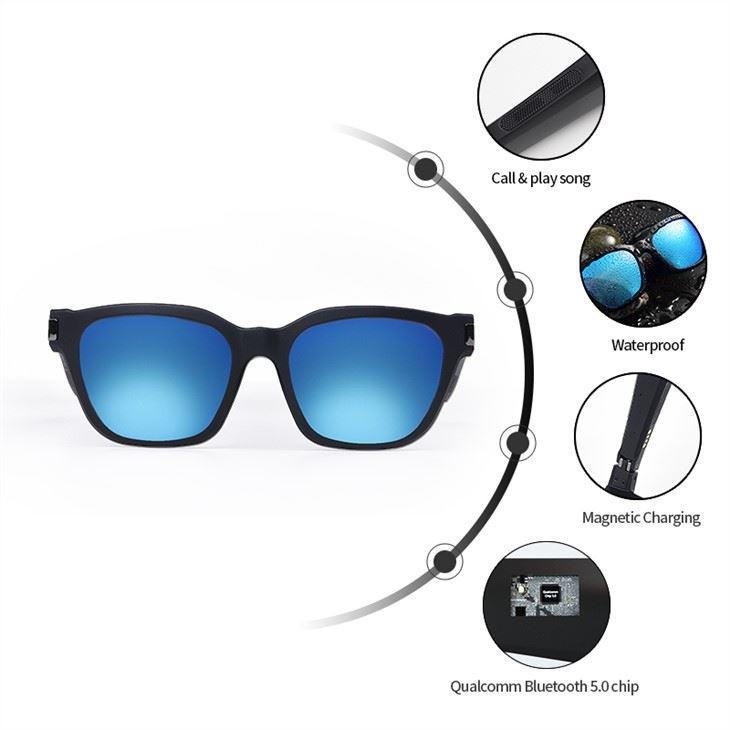
Directional audio technology has become essential for smart glasses, enabling users to receive audio feedback without blocking their environmental awareness. Evaluate factories based on their experience with bone conduction, air conduction, and hybrid audio solutions. The acoustic engineering team should understand how to optimize sound quality while minimizing sound leakage, which is critical for user privacy and social acceptability.
Durability and Quality Assurance
Smart glasses face unique durability challenges that differ from smartphones or other electronics. Users wear them during physical activities, expose them to varying weather conditions, and handle them more casually than pocket devices. The best factories subject their products to rigorous testing protocols including water resistance certification, impact testing, and accelerated lifecycle testing. Inquire about their incoming component inspection processes and final assembly quality control procedures.
Understanding OEM versus ODM Manufacturing Models
Chinese smart glasses factories typically offer two primary engagement models, each with distinct advantages depending on your business situation.
OEM Manufacturing: Custom Development from Scratch
Original Equipment Manufacturing involves developing products based entirely on your specifications. You provide the technical requirements, industrial design, and feature sets, and the factory handles manufacturing execution. OEM partnerships suit established brands with dedicated engineering teams and clear product visions. The approach requires more upfront investment in product development but results in fully proprietary products that competitors cannot easily replicate.
ODM Manufacturing: Leveraging Existing Platforms
Original Design Manufacturing allows you to work with pre-existing product platforms that factories have developed independently. These platforms undergo extensive refinement based on feedback from multiple clients, resulting in mature, reliable designs. ODM partnerships typically offer faster time-to-market and lower development costs. Many brands choose ODM relationships initially, then transition to OEM development for subsequent product generations once they have established market traction.
The factory's ODM portfolio reveals their design philosophy and market understanding. Factories that invest in developing diverse ODM platforms demonstrate responsiveness to market trends and the ability to anticipate buyer needs. Reviewing available reference designs helps you quickly identify whether a factory's aesthetic and technical approaches align with your brand positioning.
Evaluating Factory Scale and Production Capacity
Production capacity directly affects your ability to scale as demand grows. Understanding a factory's current operations helps you plan inventory and forecast delivery timelines accurately.
| Factory Scale | Monthly Capacity | Best Suited For | Lead Time Range |
|---|---|---|---|
| Small Workshop | 500-2,000 units | Prototype runs, niche products | 15-30 days |
| Medium Factory | 5,000-20,000 units | Growing brands, regional distribution | 30-45 days |
| Large Manufacturer | 50,000+ units | Global brands, high-volume orders | 45-90 days |
Consider not just current capacity but also the factory's ability to scale production within your order horizon. A manufacturer might seem ideal during initial conversations but become a bottleneck as your order quantities increase. Ask about their expansion capabilities, equipment investment plans, and workforce stability to gauge whether they can support your growth trajectory.
Communication and Project Management Standards
Successful international manufacturing relationships depend heavily on effective communication. The best Chinese smart glasses factories have developed specialized workflows for serving international clients, including dedicated project managers, English-speaking engineering teams, and transparent reporting systems.
Evaluate a factory's communication responsiveness during the inquiry phase. Factories that provide prompt, detailed responses to technical questions typically maintain similar standards throughout production. Inquire about their engineering change notification processes, quality issue escalation procedures, and documentation practices. Clear documentation prevents misunderstandings and creates reference points for dispute resolution.
Android Fashion Bluetooth Smart Glasses demonstrate how complex products require careful coordination between brand partners and manufacturing teams. Features like gesture controls, app integration, and custom voice assistants demand precise communication of requirements and iterative refinement during development.
Intellectual Property Protection in Chinese Manufacturing
Many international brands express concerns about IP protection when engaging with Chinese manufacturers. While these concerns are understandable, the reality is more nuanced. Reputable factories have developed robust IP protection protocols because their business models depend on maintaining trust with international clients.
Effective protection strategies include non-disclosure agreements with clear enforcement provisions, separate manufacturing facilities for sensitive products, and restricted access to complete technical documentation. Some brands opt for split manufacturing, where critical components are produced at facilities in different jurisdictions. Discuss IP protection measures directly with potential partners and review their track record with international clients.
Cost Structure and Pricing Considerations
Understanding the cost drivers in smart glasses manufacturing helps you evaluate pricing proposals and identify opportunities for optimization. The bill of materials typically represents 60-70% of total product cost, with manufacturing labor, factory overhead, and logistics comprising the remainder.
Component costs vary significantly based on specifications. AI processing chips, high-resolution micro-displays, premium acoustic drivers, and advanced sensors all contribute to material costs. Volume pricing applies to most components, creating economies of scale that benefit larger orders. Work with factories to understand the cost breakdown of your product and identify areas where specification adjustments might yield meaningful savings without compromising user experience.
Quality Certifications and Compliance Standards
Products sold in different markets must meet varying regulatory requirements. Verify that your manufacturing partner has experience producing devices that comply with your target market certifications. Common requirements include CE marking for European sales, FCC certification for US market access, and region-specific safety standards for battery and charging systems.
Beyond regulatory compliance, industry-specific certifications demonstrate commitment to quality management. ISO 9001 certification indicates systematic quality processes, while ISO 13485 applies to medical device manufacturing. Ask prospective factories about their certification portfolio and recent audit results.
Building Long-Term Manufacturing Partnerships
The most successful brand-manufacturer relationships evolve beyond transactional exchanges into strategic partnerships. Long-term partners invest in understanding your product roadmap, proactively suggest improvements, and prioritize your production scheduling during peak demand periods.
Building these relationships requires investment in communication, trust, and mutual benefit. Start with smaller initial orders to evaluate working dynamics before committing to large production runs. Provide constructive feedback on prototypes and production samples. Recognize that factories that receive thoughtful engagement from their clients tend to provide superior service and priority treatment.
Getting Started with Your Smart Glasses Manufacturing Journey
Selecting the right AI smart glasses factory in China requires balancing multiple factors including technical capabilities, production capacity, communication standards, and commercial terms. The factories serving this market have developed sophisticated capabilities in response to growing international demand for smart eyewear.
Begin by clearly defining your product requirements, target price points, volume expectations, and timeline. This preparation enables more productive conversations with potential partners and helps you evaluate responses against consistent criteria. Request samples of similar products to assess quality standards directly.
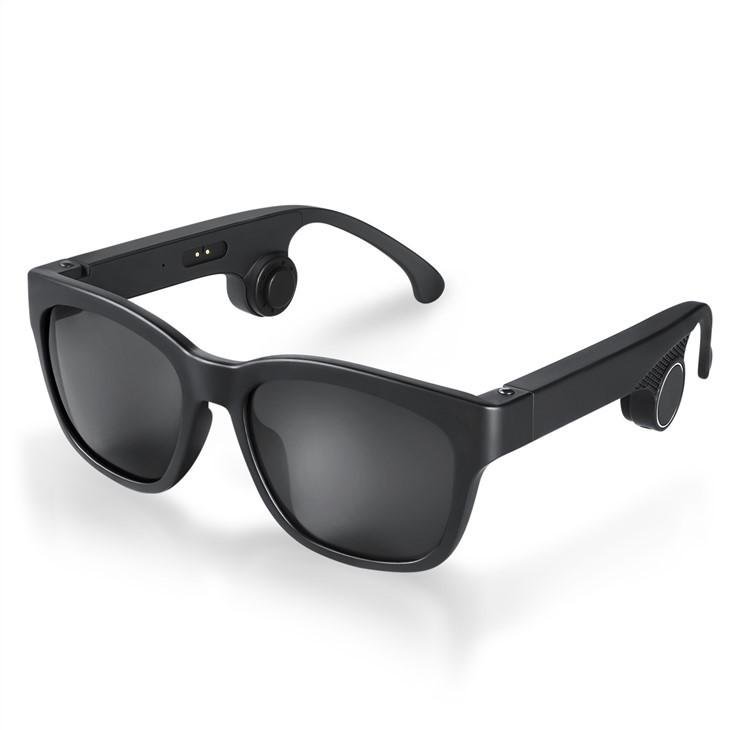
Smart Wireless Audio Sunglasses exemplify the kind of production-ready product that demonstrates a factory's capabilities in AI integration, acoustic engineering, and consumer-friendly design. Reviewing such products provides tangible reference points for your own development discussions.
The Chinese smart glasses manufacturing sector continues maturing, with factories investing in advanced capabilities to serve increasingly sophisticated product requirements. By approaching partner selection with thorough preparation and clear evaluation criteria, you position your brand to launch products that compete effectively in the growing AI smart glasses market.
Ready to explore manufacturing partnerships for your AI smart glasses product line? Connect with experienced manufacturers who understand international brand requirements and can support your growth from prototype through high-volume production.
