
Posted At: Nov 02, 2026 - 103 Views

Running a successful smart glasses e-commerce business on Shopify requires more than just beautiful product photography. The right collection of apps can transform your store from a basic online catalog into a powerful sales machine that handles everything from augmented reality experiences to automated inventory management. For B2B buyers and brands sourcing smart glasses OEM/ODM manufacturing solutions, having the correct digital infrastructure matters just as much as the products themselves.
Why Smart Glasses Retailers Need Specialized Shopify Apps
Smart glasses represent a unique product category that blends fashion, technology, and functionality. Unlike standard eyewear, these devices often feature Bluetooth connectivity, built-in audio systems, touch controls, and other interactive elements. Customers shopping for Bluetooth sunglasses expect detailed information about technical specifications, compatibility requirements, and real-world usage scenarios.
Shopify's default features provide a solid foundation, but smart glasses retailers face specific challenges that demand specialized solutions. Product demonstrations become critical when selling technology-heavy items. Customers want to visualize how voice call smart glasses will look on their face and understand how the audio quality performs during actual phone calls. Without the right apps, you risk high return rates and customer dissatisfaction.
Augmented Reality Try-On Apps
Perhaps the most impactful investment for a smart glasses store involves augmented reality technology. Customers cannot physically try on products when shopping online, which creates a significant barrier to purchase, especially for wearables that depend heavily on fit and style.
AR try-on apps like Viralsweep, Auglio, or Vee24 enable shoppers to use their smartphone cameras or computer webcams to see how different smart glasses frames look on their face. These applications analyze facial features and overlay virtual representations of your products in real-time. The technology has advanced dramatically in recent years, with improved accuracy for capturing face width, temple distance, and frame proportions.
Stores implementing AR try-on functionality consistently report higher conversion rates and lower return percentages. When customers can confidently assess how smart fashion music sunglasses complement their appearance, they feel more secure in their purchasing decisions. Many AR apps also integrate social sharing capabilities, allowing satisfied shoppers to send photos to friends for opinions before completing their orders.
Implementation typically involves installing the app through Shopify's marketplace, uploading high-quality 3D model files of your products, and customizing the appearance settings to match your brand aesthetic. Some solutions offer both browser-based experiences without requiring app downloads, while others provide dedicated mobile applications for deeper integration.
Product Customization and Configuration Tools
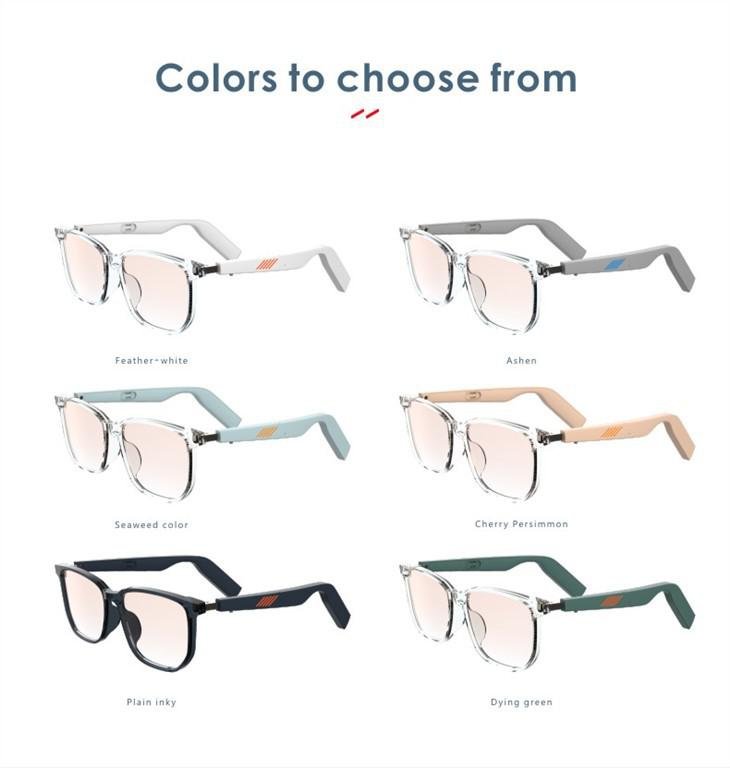
Smart glasses often come in multiple color variants, lens options, and feature configurations. Rather than creating separate product pages for every combination, specialized apps allow you to offer dynamic customization within a single product listing.
Apps like Bold Product Options, Globo Product Options, or Customify enable customers to select their preferred frame color, lens type (polarized, blue light filtering, photochromic), and additional features like built-in storage capacity or audio system specifications. Each selection automatically updates the product image, description, and price without requiring page reloads.
For brands offering multifunctional smart glasses, this customization capability proves invaluable. A customer interested in sport-oriented models with enhanced water resistance can configure exactly those specifications while another shopper seeking fashion-focused designs with premium frame materials can build their ideal product separately.
Beyond basic options, some advanced tools allow for engrave-able text, interchangeable temple arms, and modular accessory bundles. When selling technology products, the ability to explain and visualize complex configurations prevents confusion and reduces customer service inquiries.
Inventory and Order Management Solutions
B2B buyers and multi-channel retailers face particular complexity when managing smart glasses inventory across multiple sales channels. Your Shopify store might sync with Amazon listings, wholesale portals, and physical retail locations simultaneously. Manual inventory updates become unsustainable at scale and lead to overselling or stockout situations.
Inventory management apps like Stock Sync, Inventory Manager, or Sellinista provide centralized control over your product quantities. These tools can automatically pull inventory data from suppliers, update Shopify listings in real-time, and send alerts when stock levels reach critical thresholds. For companies sourcing from manufacturers like smart glasses factories in China, integration with supplier systems ensures your online availability accurately reflects production schedules and shipping timelines.
Order management extensions further streamline operations by automatically routing orders based on customer location, inventory availability, or order value. Drop-shipment scenarios become straightforward when orders for smart Bluetooth audio glasses automatically forward to manufacturing partners for fulfillment.
Customer Review and Social Proof Applications
Trust significantly influences purchasing decisions for technology products, particularly wearables that represent a meaningful investment for many customers. Reviews highlighting audio quality, comfort during extended wear, battery performance, and smartphone compatibility address the questions prospective buyers have before committing to a purchase.
Native Review apps and enhanced solutions like Yotpo, Loox, or Judge.me collect and display customer testimonials throughout your store. Beyond basic star ratings, these tools can showcase verified purchase badges, photo reviews from actual customers, and detailed attribute ratings for specific product characteristics.
For HD stereo music glasses and similar audio-focused products, reviews mentioning sound quality comparisons with dedicated headphones or speaker systems provide invaluable social proof. Similarly, reviews discussing comfort during activities like cycling, fishing, or commuting help future customers understand real-world performance beyond manufacturer specifications.
Marketing and Conversion Optimization Tools
Driving traffic to your Shopify store requires ongoing marketing efforts, but converting that traffic into paying customers demands different strategies. Exit-intent popup applications capture leaving visitors with targeted offers, newsletter signup forms, or abandoned cart recovery reminders. Tools like Privy, Email Popup Builder, or Sleeknote enable sophisticated targeting rules based on customer behavior, time on site, or specific product page views.
Discount apps provide flexible promotion capabilities for seasonal sales, volume discounts on bulk orders, or introductory pricing for new product launches. When marketing fashion music glasses, bundle deals that include carrying cases, cleaning cloths, and charging cables encourage higher average order values while providing genuine value to customers.
Countdown timers and stock scarcity indicators create urgency that motivates immediate purchasing decisions. Displaying "only 3 left in stock" or "sale ends in 12 hours" encourages customers who might otherwise browse indefinitely to complete their transactions today rather than returning later.
Analytics and Customer Insight Platforms
Understanding how visitors interact with your smart glasses store reveals opportunities for continuous improvement. While Shopify provides basic analytics, specialized reporting tools offer deeper insights into customer behavior patterns, product performance metrics, and marketing campaign effectiveness.
Heatmap applications like Hotjar or Microsoft Clarity visualize where visitors click, scroll, and spend time on your pages. This information highlights which product images attract attention, whether customers read technical specifications, and where confusion or frustration might cause abandonment. Funnel analysis tools track the journey from landing page through checkout, identifying exactly where potential customers drop off.
For stores selling smart music sunglasses alongside other product categories, attribution modeling helps understand which marketing channels drive the most valuable traffic. This data informs budget allocation decisions and helps optimize return on advertising spend.
Integration and Automation Essentials
Modern e-commerce operations require seamless connections between multiple systems. Integration apps connect your Shopify store with accounting software, shipping carriers, customer relationship management platforms, and supplier databases. Tools like Zapier, Make (formerly Integromat), or native Shopify integrations automate data flows that would otherwise require manual intervention.
Shipping apps calculate real-time rates from carriers like UPS, FedEx, DHL, and regional postal services. For international customers purchasing smart glasses, accurate shipping estimates at checkout reduce cart abandonment compared to requiring customers to contact you for quotes. Some solutions offer consolidated shipping discounts that improve your competitive positioning.
Automation sequences handle repetitive tasks including order confirmation emails, shipping notifications, review request follow-ups, and customer service acknowledgment messages. These touchpoints represent opportunities to reinforce customer relationships and encourage repeat purchases without requiring your team to manually send each communication.
Building Your App Stack Strategically
Resist the temptation to install every promising app you discover. Each addition increases your store's complexity, potentially impacts page load performance, and may introduce compatibility issues with other tools. Focus on addressing your most significant pain points first, then gradually expand your tech stack as your business scales.
Prioritize apps that offer strong customer support and regular updates, as Shopify's platform evolves and deprecated features occasionally require adjustments. Review user ratings and support response times before committing, particularly for critical functions like payment processing or inventory management where downtime directly impacts revenue.
Consider your target customer segments when selecting tools. A store focused on Bluetooth smart audio sunglasses for cycling might prioritize apps that highlight outdoor activity use cases and durability features, while a fashion-oriented brand would emphasize style customization and trend-focused marketing capabilities.
Cost Considerations and ROI Analysis
Shopify apps typically operate on monthly subscription models ranging from free tiers with limited functionality to enterprise solutions costing several hundred dollars monthly. Calculate expected return on investment before committing to premium subscriptions. An AR try-on app costing $50 monthly that increases conversions by even 2% could generate substantially more revenue than it costs for stores with significant traffic volumes.
Many apps offer free trials allowing you to test functionality within your actual store environment before financial commitment. Take advantage of these opportunities to measure real-world performance rather than relying solely on vendor claims or competitor testimonials.
Watch for cumulative costs as your app portfolio grows. Individual subscriptions might seem reasonable in isolation, but ten different apps each costing $20 monthly adds $200 to your operational overhead. Evaluate whether some functionality could be consolidated into fewer, more comprehensive tools.
Getting Started with Your Smart Glasses Shopify Store
Building a successful smart glasses e-commerce presence requires both exceptional products and the digital infrastructure to showcase and sell them effectively. Whether you're launching a new brand or optimizing an established store, selecting the right Shopify apps creates competitive advantages that compound over time.
Partner with manufacturers who understand the importance of comprehensive product information, high-quality media assets, and responsive supply chains. At Smart Glasses Factory, we provide not only OEM and ODM smart glasses manufacturing services but also marketing support including professional photography, detailed specifications, and product collateral that integrates seamlessly with modern e-commerce platforms.
The technology wearable market continues expanding as consumers seek convenient audio solutions, hands-free communication options, and stylish alternatives to traditional headphones. Stores equipped with the proper tools to address customer concerns, demonstrate product value, and deliver exceptional shopping experiences will capture disproportionate market share as this category matures.
Ready to source premium smart glasses for your Shopify store? Explore our product catalog featuring music fishing sunglasses and other specialized models designed for specific lifestyle applications. Our team supports B2B partners with competitive wholesale pricing, flexible MOQ options, and dedicated account management to help your business thrive in the growing smart wearables market.
