
Posted At: May 19, 2026 - 2,405 Views

The wearable technology landscape is undergoing a fundamental transformation. AI wearable glasses have moved beyond novelty gadgets to become serious computing platforms that consumers and enterprises are actively seeking. For B2B buyers, distributors, and brands, 2026 represents a pivotal moment to establish position in this rapidly expanding market before competition intensifies.
Industry analysts project the global smart glasses market to exceed $15 billion by 2026, with AI-integrated devices accounting for an increasingly dominant share. This growth trajectory mirrors the evolution we witnessed in the smartphone market two decades ago—early movers who secured manufacturing partnerships and supply chain relationships are now reaping substantial rewards. The same pattern is emerging in AI wearables, and the window for strategic positioning remains open, though it is narrowing rapidly.
Understanding the AI Wearable Glasses Revolution
What distinguishes AI wearable glasses from their predecessors is the integration of sophisticated artificial intelligence capabilities directly into the device. Unlike basic Bluetooth sunglasses that simply play audio, AI-powered glasses can process voice commands, provide real-time translation, recognize objects, offer navigation assistance, and even analyze the wearer's environment to deliver contextual information.
The technology stack powering these devices has matured significantly. Modern AI glasses feature specialized neural processing units that handle machine learning tasks efficiently, extended battery life that supports all-day wear, and form factors that genuinely resemble everyday eyewear. The days of bulky, obvious tech headsets are fading. Today's AI glasses are stylish, lightweight, and indistinguishable from premium fashion eyewear—a critical development for mass market adoption.
Consumer behavior has shifted considerably. Where early adopters once forgave clunky aesthetics for cutting-edge functionality, mainstream buyers now demand both. This dual requirement—advanced AI capabilities housed in attractive designs—creates specific manufacturing challenges that only experienced smart glasses manufacturers can reliably address.
Market Drivers Fueling 2026 Growth
Several converging factors are accelerating market expansion in ways that directly benefit B2B procurement strategies.
Enterprise adoption is accelerating. Businesses across sectors are deploying AI glasses for training, remote assistance, inventory management, and customer service applications. Enterprise purchases typically involve larger order volumes and longer-term relationships, making them attractive for manufacturers and, by extension, for brands that can secure reliable supply.
Consumer awareness has reached critical mass. Major technology companies have invested heavily in marketing AI wearable devices, creating informed consumers who actively seek these products. This marketing spend by industry leaders effectively subsidizes market education for all participants, including new market entrants working with smart glasses factories.
Price points are becoming accessible. Manufacturing efficiencies and component cost reductions have pushed entry-level AI glasses below $100, while premium models with advanced features remain in the $200-400 range. This pricing spectrum supports multiple market segments and enables brands to target diverse customer bases.
Component availability has stabilized. The semiconductor shortages that constrained production in previous years have largely resolved. Manufacturers can now plan production schedules with confidence, and B2B buyers can negotiate timelines without excessive buffer periods.
Key Market Segments and Opportunities
The AI wearable glasses market in 2026 breaks down into distinct segments, each presenting unique opportunities for strategic positioning.
Audio-First AI Glasses
The largest current market segment combines premium audio quality with AI assistant integration. These devices prioritize music playback, phone calls, and voice assistant functionality while adding AI-powered features like real-time translation and voice-activated information retrieval. The form factor typically resembles high-quality sunglasses or casual eyewear, appealing to style-conscious consumers.
Bluetooth Audio Sunglasses Polarized Lenses exemplify this category, offering polarized sun protection alongside wireless audio and call capabilities. This convergence of practical eyewear functionality with smart technology addresses genuine consumer needs rather than creating artificial demand.
Communication and Connectivity Focus
AI glasses designed for seamless communication represent another high-growth segment. These devices prioritize clear voice transmission, video calling capability, and integration with popular messaging platforms. Business professionals and remote workers constitute the primary customer base, though consumer adoption is expanding.
Smart Glasses Wifi Call Glasses demonstrate how advanced connectivity features create differentiated value propositions. The ability to make video calls without reaching for a phone addresses real workflow needs and supports premium positioning.
Fashion-Forward Smart Eyewear
The intersection of fashion and technology has created space for stylish AI glasses that prioritize aesthetics alongside functionality. This segment appeals to consumers who view their eyewear as a fashion statement and resist the utilitarian appearance of earlier smart glasses generations. Brands targeting this segment require manufacturing partners capable of producing genuinely fashionable frames.
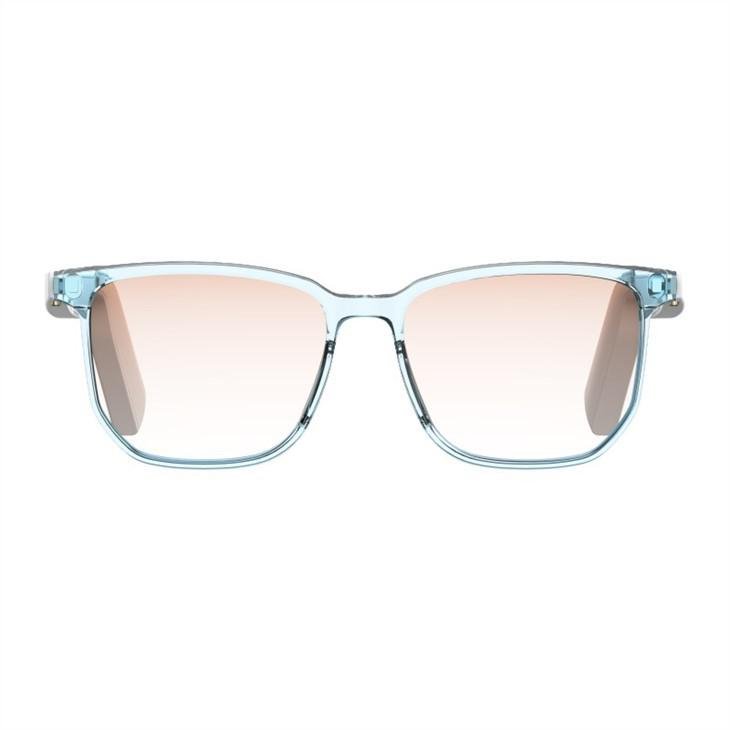
Most Fashionable Smart Glasses Wireless Bluetooth represent the industry response to consumer demand for better-looking smart eyewear. These products prove that advanced technology can coexist with design excellence.
Regional Market Dynamics
The AI wearable glasses market exhibits distinct regional characteristics that B2B buyers must consider when developing sourcing strategies.
North American consumers demonstrate strong preference for premium features and brand reputation, supporting higher price points and enabling margin expansion for brands that effectively communicate value. Enterprise adoption is particularly robust, driven by technology-forward industries and robust consumer electronics retail infrastructure.
European markets emphasize privacy compliance and environmental sustainability. Products must address GDPR considerations and demonstrate responsible manufacturing practices. The European consumer base shows willingness to pay premium prices for products that align with their values.
Asia-Pacific represents the fastest-growing region, fueled by expanding middle-class consumer bases in China, India, and Southeast Asia. Price sensitivity is higher in these markets, making cost-effective manufacturing partnerships essential for competitive positioning.
Manufacturing Landscape and Sourcing Strategy
China remains the dominant manufacturing hub for smart glasses, and this position is strengthening rather than weakening. The combination of specialized workforce skills, mature supply chains, component availability, and production capacity creates advantages that other regions cannot easily replicate.
Working directly with Fashion Bluetooth Call Glasses manufacturers and similar specialized producers offers several advantages for B2B buyers. Direct relationships eliminate intermediary markups, enable customization flexibility, and support faster iteration cycles as market preferences evolve.
When evaluating potential manufacturing partners, B2B buyers should prioritize several criteria.
- Production capacity and scalability: Partners must demonstrate ability to scale from initial prototype quantities to full production volumes without quality degradation or timeline slippage.
- Quality control systems: Comprehensive testing protocols, certification compliance, and defect rate management directly impact brand reputation and customer satisfaction.
- Customization capabilities: The ability to modify designs, materials, and features enables brands to differentiate their offerings in crowded markets.
- Component sourcing relationships: Established supply chain partnerships ensure component availability and competitive pricing.
- Communication and transparency: Clear communication channels and honest timeline projections support successful project management.
Technology Trends Shaping 2026 Products
Several technology developments are influencing product design and manufacturing priorities.
Advanced AI Processing
On-device AI processing is becoming standard, reducing reliance on cloud connectivity and enabling faster response times. Neural processing units specifically designed for wearable applications are entering mass production, providing the computational power necessary for sophisticated AI features while maintaining energy efficiency.
Extended Battery Life
Battery technology improvements are enabling all-day usage without charging. Energy harvesting techniques and more efficient power management systems are extending operational timeframes, addressing one of the most common consumer complaints about earlier smart glasses generations.
Enhanced Sensor Integration
Modern AI glasses incorporate sophisticated sensor suites including cameras, microphones, proximity sensors, and health monitoring capabilities. These sensors enable the contextual awareness that differentiates AI glasses from simple Bluetooth devices, supporting features like navigation assistance, object recognition, and health tracking.
Improved Audio Quality
Directional audio technology delivers sound to the wearer while minimizing external leakage, enabling private listening in public spaces. This advancement addresses privacy concerns and enables usage contexts previously impractical for open-ear audio devices.
Building Your AI Glasses Product Portfolio
B2B buyers and brand managers should consider portfolio strategy when entering the AI wearable glasses market. A diversified approach typically outperforms single-product concentration.
Consider product positioning across multiple tiers. Entry-level products using proven technologies like Bluetooth 5.0 Smart Glasses can establish market presence and build customer relationships. Mid-range offerings with enhanced features capture mainstream consumers seeking better value. Premium products with cutting-edge AI capabilities appeal to early adopters and brand-loyal customers.
Geographic segmentation also merits consideration. Different regional markets have distinct preferences regarding style, features, and price sensitivity. Manufacturing partners capable of producing variations tailored to regional requirements provide valuable flexibility.
Quality Assurance and Compliance Considerations
Product quality directly impacts brand reputation and customer retention in the wearable technology market. B2B buyers must establish rigorous quality assurance protocols with manufacturing partners.
Essential certifications vary by target market but typically include electrical safety compliance, RF emissions certification, and environmental regulations adherence. European markets require CE marking, North American products need FCC certification, and Asian markets have their own regulatory frameworks.
Beyond mandatory certifications, voluntary quality standards can differentiate products in competitive markets. Water and dust resistance ratings, drop testing protocols, and extended warranty programs signal quality commitment to consumers.
Supply Chain Resilience and Risk Management
Recent global events have highlighted supply chain vulnerability across consumer electronics categories. AI wearable glasses, with their specialized components and sophisticated assembly requirements, present particular supply chain considerations.
Strategies for building resilient supply chains include diversifying component suppliers, maintaining safety stock of critical components, and establishing relationships with backup manufacturing capacity. Long-term partnerships with reliable manufacturers provide stability that transactional supplier relationships cannot match.
Production planning should incorporate realistic lead times that account for component availability, manufacturing schedules, quality verification, and shipping logistics. Partners with established processes and transparent communication help manage these complex logistics effectively.
Looking Ahead: Strategic Positioning for Success
The AI wearable glasses market in 2026 presents genuine opportunities for B2B buyers who approach the market strategically. Success requires understanding consumer needs, selecting appropriate product positioning, establishing reliable manufacturing partnerships, and maintaining flexibility as market conditions evolve.
The window for securing advantageous manufacturing relationships remains open but is narrowing as more brands recognize market potential. Early engagement with capable partners provides ordering priority, favorable terms, and collaborative product development opportunities that later entrants may find unavailable.
Market success ultimately depends on delivering products that genuinely address consumer needs—combining useful AI features with attractive design, reliable quality, and appropriate pricing. Manufacturing partners with proven track records and comprehensive capabilities support these objectives.
For brands and distributors ready to establish or expand presence in the AI wearable glasses market, exploring partnership opportunities with established manufacturers offers the most efficient path to market entry. The combination of proven products, scalable manufacturing capacity, and technical expertise accelerates time-to-market while reducing execution risk.
Wireless Speaker Sunglasses and similar products demonstrate the manufacturing capabilities and quality standards available through established smart glasses production partners. Requesting samples, discussing customization requirements, and evaluating manufacturing capabilities directly provides the information necessary for confident partnership decisions.
The AI wearable glasses opportunity is substantial and growing. B2B buyers who act strategically, select partners carefully, and execute consistently position themselves to capture significant value as this market continues its expansion trajectory.
